Blog
How to Choose Suspension Lift Kits for Your Vehicle?
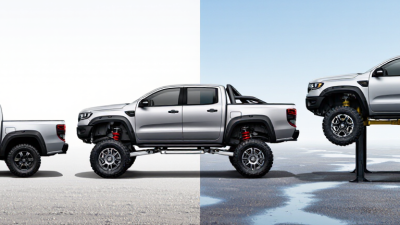
Choosing Suspension Lift Kits is not simply a decision about adding height. It changes geometry, tire clearance, steering response, braking behavior, and daily comfort. SEMA’s 2023 Market Report valued the United States specialty-equipment automotive market at approximately $52 billion in 2022. That figure shows strong demand for vehicle personalization, but it does not prove that every lift kit suits every driver. Real-world fitment still matters more than appearance.
Automotive suspension engineer Steve Nadeau explains, “A lift is only successful when the entire suspension system works together.” His point deserves attention. A two-inch lift on a commuter vehicle may require different components from a four-inch system built for rocky trails. Buyers should check axle alignment, shock travel, brake-line length, driveline angles, and manufacturer load ratings. The Global Automotive Suspension Market report by Grand View Research also projects continued market growth, driven by vehicle customization and performance upgrades. Growth can encourage better products. It can also create confusing choices.
Look beneath the glossy photographs. Measure the tire-to-fender gap beside a level garage floor. Then consider how the vehicle actually travels: wet highways, gravel roads, steep ramps, or uneven trails. A higher stance may improve clearance, yet it can raise the center of gravity and reduce predictable handling. Some kits promise simple installation, but “simple” can become expensive after alignment, replacement wheels, and upgraded control arms. That is the uncomfortable part. The best Suspension Lift Kits are not always the tallest or cheapest. They are the systems that match the vehicle, workload, driving habits, and installer’s experience. Even this guideline has limits, because every chassis responds differently.
Read more »
 By:Jackson
- October 9, 2026
By:Jackson
- October 9, 2026
What Type of Steel Off Road Bumper Is Best?
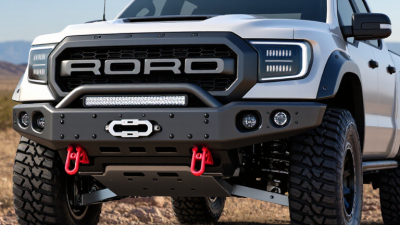
Choosing the best steel off-road bumper begins with more than thickness or appearance. Steel Off-Road Bumpers must balance impact resistance, weight, recovery strength, corrosion protection, and vehicle compatibility. A heavy bumper may survive rocks, yet it can reduce approach angle, increase braking demands, and stress suspension components.
Industry data supports careful selection. SEMA’s 2023 Market Report valued the United States specialty-equipment industry at approximately $52.3 billion in 2022. That figure reflects strong demand for vehicle upgrades, including protection and recovery equipment. However, market popularity does not prove engineering quality. IIHS research on vehicle crashes repeatedly shows that bumper design, energy absorption, and vehicle height influence damage patterns. Off-road buyers should therefore inspect more than welds and steel gauge.
Look beneath the surface.
This guide compares mild steel, high-strength steel, and fabricated plate designs. It considers mounting points, winch compatibility, recovery-tab certification, corrosion resistance, and airbag-sensor clearance. Real-world use matters too. A desert rig may need lightweight strength and cooling airflow. A forest trail vehicle may prioritize rock protection and a short overhang. A daily-driven truck needs reasonable weight and pedestrian-safety awareness.
No bumper is perfect. That is the uncomfortable truth. Some manufacturers publish load ratings, material specifications, and testing details; others rely on dramatic photographs. Buyers should question both. The best choice is not always the thickest design. It is the bumper engineered for the vehicle, terrain, recovery method, and driver’s actual experience. Proper installation remains essential, because even excellent steel can fail when mounting hardware or frame alignment is overlooked.
Read more »
 By:Sophia
- October 4, 2026
By:Sophia
- October 4, 2026
How to Choose Power Running Boards for Your Vehicle?
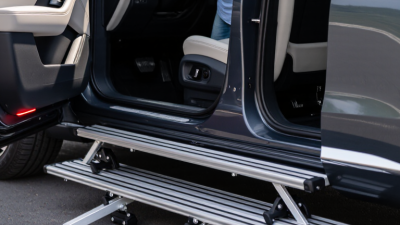
Choosing Power Running Boards is not simply a styling decision. It affects access, ground clearance, safety, and everyday convenience. A suitable system should match your vehicle’s chassis, door sensors, weight capacity, and driving conditions. It should also fold tightly beneath the rocker panels. That detail matters on narrow trails and uneven parking lots.
Power-accessory engineer Mike Sweers explains, “A running board should disappear while driving and appear only when access is needed.” This principle keeps the decision practical. Look for corrosion-resistant materials, sealed motors, reliable hinges, and a responsive deployment system. Aluminum may reduce weight, while stainless-steel components can offer stronger resistance in wet climates. Neither option is perfect. Your priorities matter more than marketing language.
Think about real use. Will children step onto the board every morning? Will muddy boots, road salt, or loose gravel reach the mechanism? A board that looks impressive in a showroom may struggle under constant debris. Check the warranty, replacement-part availability, installation method, and service reputation before buying. Also confirm whether the product supports your exact model year, not only the vehicle name.
Measure twice.
This guide compares key specifications and practical ownership concerns. It also recognizes an uncomfortable truth: the most expensive system is not automatically the most dependable. Careful selection requires balancing price, protection, appearance, and long-term maintenance. The right Power Running Boards should make entry easier without becoming another fragile component to worry about.
Read more »
By:Jackson
- September 29, 2026
What Is Spray-On Bed Liner and How Does It Work?
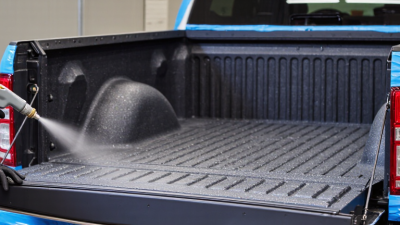
A pickup bed faces more than loose cargo. Gravel shifts, tools scrape, and standing water can expose weak points in the original paint. Spray-On Bed Liner creates a bonded protective layer across the bed floor, sidewalls, and often the tailgate. It is usually made from polyurethane or polyurea materials. Once sprayed, the components react and form a tough, textured surface.
The process begins with careful preparation. Technicians remove dirt, wax, rust, and loose coating before sanding the metal. They mask lights, drain holes, hinges, and exterior paint. This stage often determines the final result. A rushed application may peel, bubble, or leave uneven edges. The liner material is then mixed and sprayed with specialized equipment. It can appear smooth at first, then develop a grip-friendly texture as it cures. Drying times vary with the product, temperature, humidity, and film thickness.
Not every liner performs identically. That matters. A professionally applied system may offer strong resistance to impact, moisture, and abrasion, but it is not indestructible. Sharp metal, trapped moisture, or poor surface preparation can still cause damage. Even color consistency may require attention, especially during repairs. Understanding the material, application method, and maintenance requirements helps owners make a realistic decision. This guide explains how Spray-On Bed Liner works, what installation involves, and where its practical limits become visible.
Read more »
 By:Ethan
- September 24, 2026
By:Ethan
- September 24, 2026
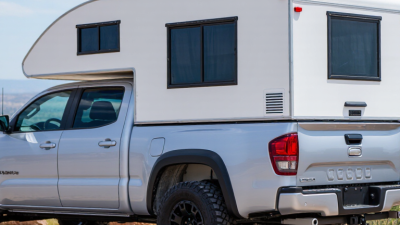
2026 Best Truck Camper Shells for Global Buyers?
Choosing among the 2026 Best Truck Camper Shells for Global Buyers requires more than comparing prices and glossy photographs. A reliable shell must match the truck’s payload, bed length, mounting points, climate, and travel expectations. It should protect passengers and equipment from rain, dust, heat, and cold without creating unnecessary weight. Small details matter. Check the window seals, roof load rating, ventilation, locking system, and interior clearance before ordering.
Gordon White, founder of Four Wheel Campers and a respected truck-camper industry veteran, once described the design principle this way: “Keep it simple, keep it light, and make it strong.” That idea remains useful in 2026. A lightweight fiberglass shell may suit long-distance travelers, while an insulated aluminum or composite model can offer greater comfort in extreme conditions. However, the strongest option is not always the best option. It may reduce fuel efficiency or exceed the vehicle’s safe payload.
This guide examines leading Truck Camper Shells for buyers across different regions. It considers construction quality, weather resistance, installation support, repair access, and compatibility with popular pickup platforms. Import regulations and local vehicle standards also deserve attention. They vary widely. Some recommendations may change as new materials and modular systems appear. That uncertainty is worth admitting. No ranking can replace a careful fit check, professional installation, and an honest assessment of how you actually travel.
Read more »
By:Jackson
- September 19, 2026
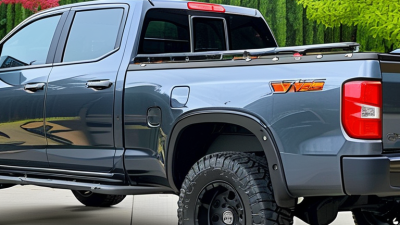
Best Retractable Tonneau Covers for Your Truck Needs?
When it comes to protecting your truck bed, "Retractable Tonneau Covers" have become an essential investment. Renowned industry expert, Mark Stevens, once stated, "A good tonneau cover not only protects your cargo but enhances the truck's aesthetic." With this in mind, it is crucial to explore the best options available.
Retractable Tonneau Covers offer a blend of practicality and style. They provide easy access to your truck bed while keeping your belongings secure. Whether you're a contractor needing to shield tools or an outdoor enthusiast carrying equipment, these covers cater to diverse needs. The ability to retract and cover your bed with minimal effort can be a game-changer.
However, not all retractable tonneau covers are created equal. Some may lack durability or water resistance, leading to potential frustrations. It's essential to consider materials, ease of installation, and warranty. Reflecting on the choices available can ensure you find the ideal cover. In a market flooded with options, making the right decision requires careful thought.
Read more »
By:Ethan
- August 22, 2026
Top Trends in Commercial Vehicle Upfitting for 2026?
The landscape of commercial vehicle upfitting is evolving rapidly as we approach 2026. Companies recognize the need to enhance their vehicles to meet various operational demands efficiently. Commercial Vehicle Upfitting involves adapting vehicles with specialized features tailored to specific industries. This trend is becoming crucial for businesses aiming to improve productivity and safety.
Electric and hybrid vehicles are reshaping the upfitting world. Adapting to new powertrains requires innovative solutions. Tools and equipment need to be lightweight and energy-efficient. This transition poses challenges in design and functionality. Integrating technology into vehicles is not just an upgrade; it's a necessity. Connectivity and automation can streamline operations but may require a learning curve.
Customization is another significant trend. Businesses seek unique solutions that reflect their brand image while enhancing utility. However, not all customizations are equally effective. Some may lead to increased maintenance costs or operational issues. Reflecting on these aspects is essential. As we prepare for the future, understanding the nuances of Commercial Vehicle Upfitting will drive meaningful improvements.
Read more »
By:Ethan
- August 22, 2026
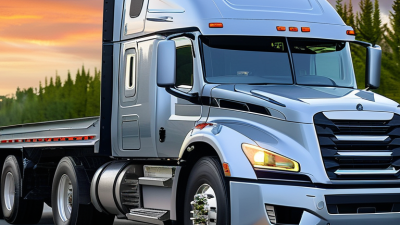
Best Flatbed Truck Bodies for Global Buyers in 2026?
As we look ahead to 2026, the market for Flatbed Truck Bodies is poised for transformative growth. Industry reports indicate that the global demand for these robust transport solutions will rise by approximately 15% over the next three years. This surge is fueled by expanding e-commerce and construction sectors, which require highly versatile transportation options. According to transport expert John Mitchell, "The evolution of Flatbed Truck Bodies reflects the industry’s commitment to efficiency and adaptability."
However, challenges remain. Manufacturers must navigate fluctuating material costs and increasing environmental regulations. Balancing innovation and sustainability will be crucial. The need for lightweight yet durable designs is more pressing than ever. Companies must rethink how they build and market Flatbed Truck Bodies to meet the evolving needs of buyers worldwide.
While some manufacturers excel in customization, others struggle with standardization. This disparity can impact service and delivery times. Therefore, buyers must carefully evaluate their options. The effectiveness of Flatbed Truck Bodies stems from both quality and adaptability, making informed choices essential for success in this competitive landscape.
Read more »
By:Ethan
- August 22, 2026