0%

Choosing among the 2026 Best Truck Camper Shells for Global Buyers requires more than comparing prices and glossy photographs. A reliable shell must match the truck’s payload, bed length, mounting points, climate, and travel expectations. It should protect passengers and equipment from rain, dust, heat, and cold without creating unnecessary weight. Small details matter. Check the window seals, roof load rating, ventilation, locking system, and interior clearance before ordering.

Gordon White, founder of Four Wheel Campers and a respected truck-camper industry veteran, once described the design principle this way: “Keep it simple, keep it light, and make it strong.” That idea remains useful in 2026. A lightweight fiberglass shell may suit long-distance travelers, while an insulated aluminum or composite model can offer greater comfort in extreme conditions. However, the strongest option is not always the best option. It may reduce fuel efficiency or exceed the vehicle’s safe payload.

This guide examines leading Truck Camper Shells for buyers across different regions. It considers construction quality, weather resistance, installation support, repair access, and compatibility with popular pickup platforms. Import regulations and local vehicle standards also deserve attention. They vary widely. Some recommendations may change as new materials and modular systems appear. That uncertainty is worth admitting. No ranking can replace a careful fit check, professional installation, and an honest assessment of how you actually travel.
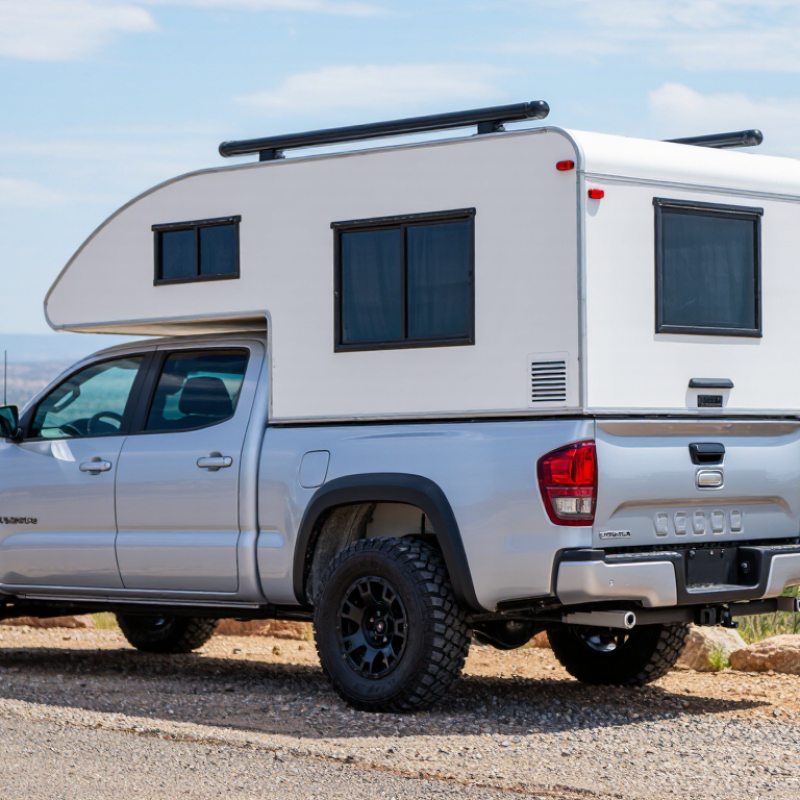
2026 Best Truck Camper Shells for Global Buyers?

Classify Truck Camper Shells by Design, Use Case, and Global Market

2026 Best Truck Camper Shells for Global Buyers?

Truck camper shells should be classified by design before comparing prices. Low-profile shells suit daily driving, tools, and short weekend trips. High-roof shells create standing space for longer travel. Pop-up designs reduce wind resistance, but their fabric panels need careful inspection after rain. Hard shells offer stronger insulation and security, although they add weight and may reduce payload.

Use case changes the correct choice. A commuter needs easy rear access and modest height. A family traveler may need sleeping platforms, ventilation, and storage for wet clothing. Remote touring demands dust seals, roof load capacity, and repairable hardware. RV Industry Association data recorded 342,220 wholesale RV shipments in North America during 2024. That figure is not a shell forecast, but it signals sustained recreational demand. The 2024 North American Camping Report also counted about 72.4 million camping households in the United States and Canada in 2023. Regional evidence matters.

Global buyers must compare truck bed dimensions, axle limits, climate, and service access. North American full-size beds differ sharply from European and Asian pickup platforms. Australia often favors dust control and heat management. Northern Europe may prioritize insulation and winter ventilation. Check local import, lighting, and load regulations before purchase. A lighter shell can be safer, but not always better. My classification remains imperfect: real buyers often combine work, family travel, and rough roads in one vehicle.

2026 Best Truck Camper Shells for Global Buyers

Comparison by design, typical usable height, and practical use case. Height ranges are representative industry ranges and should be verified against the final vehicle and shell specification.

Cab-High Hard Shell

Best for everyday pickup use, light weather protection, and improved aerodynamic efficiency.

High-Rise Hard Shell

A practical choice for sleeping platforms, storage volume, and long-distance touring.

Pop-Up Camper Shell

Offers near-standing interior height while reducing roof load and overall driving height when closed.

Wedge Pop-Up Shell

Suited to off-road travel, low center of gravity requirements, and compact sleeping layouts.

Soft Camper Shell

Lightweight and adaptable for budget touring, seasonal use, and vehicles with limited payload.

Global buying note: hard shells are commonly preferred where dust, rain, and security are priorities; pop-up designs are better suited to buyers balancing interior room with vehicle height, payload, and off-road mobility. Always confirm bed size, payload rating, mounting method, local road regulations, and climate suitability before purchase.

Match Shell Weight to Payload Using GVWR − Curb Weight − Occupants − Cargo

2026 Best Truck Camper Shells for Global Buyers?

Choosing a camper shell starts with payload, not appearance. Use this working formula: GVWR − curb weight − occupants − cargo = remaining payload. That result is your maximum shell allowance. The shell’s listed dry weight may exclude windows, roof vents, batteries, jacks, mattresses, and water. Add every item before comparing models. A 250-kilogram allowance can disappear quickly.

The formula looks exact, but real loading is less tidy. Curb weight can vary with fuel, accessories, and local equipment. Occupants also change between trips. In practical checks, weigh the loaded truck on certified scales when possible. Keep a safety margin instead of matching the calculated limit. A lower shell may also protect handling, braking, and rear-axle capacity. GVWR alone is not enough; axle ratings matter too.

Tips: Create a simple weight sheet. Record the shell, passengers, tools, food, water, and spare equipment. Check each figure twice. Ask the shell maker for fitted weight, center-of-gravity guidance, and mounting requirements. Regional versions may differ, so do not trust a foreign specification blindly. I once underestimated small items by nearly 40 kilograms. That mistake was manageable, but it changed how I plan every trip.

Compare Fiberglass, Aluminum, and Composite Shells with ASTM Test Data

For global buyers, a truck camper shell should be judged by tested performance, not appearance alone. Fiberglass offers a smooth surface and good insulation, but ASTM D790 flexural results can vary with laminate thickness and curing quality. ASTM D256 impact testing helps reveal brittleness, especially in cold climates. A shell may look flawless and still crack around a window cutout.

Aluminum usually provides strong impact resistance with lower weight. Ask for ASTM E8 tensile data, alloy details, and joint inspection records. Salt exposure also matters. ASTM B117 results can indicate coating durability, but they do not predict every coastal environment. Poorly sealed fasteners may still cause corrosion. I have seen lightweight panels perform well on rough roads, while weak corners developed noise and distortion.

Composite shells can deliver useful stiffness and thermal separation. ASTM D3039 tensile testing and ASTM D790 flexural testing are valuable for comparing panels. Yet test coupons are smaller than a complete shell. That difference deserves attention. Request reports showing specimen thickness, temperature, loading speed, and failure location. ASTM standards provide controlled methods, not automatic certification. A careful buyer should compare full-shell engineering, roof-load testing, water ingress checks, and repair procedures. The strongest data is traceable to an independent laboratory, with clear dates and sample identification. Be skeptical of impressive numbers without test conditions.

Verify Fit, Dimensions, and Load Limits Using SAE J1100 and OEM Data

2026 Best Truck Camper Shells for Global Buyers?

Fit begins with measurement, not a product photograph. SAE J1100:2022 defines vehicle dimensions, but its reference points may not match every truck bed.

Measure the actual bed length, rail width, bulkhead height, and tailgate opening. Record both millimetres and inches. Leave clearance around bed liners, hinges, and drainage channels.

A two-centimetre error can create leaks, rubbing, or unsafe latch pressure. I have seen “universal” shells fail because the bed was measured from the tailgate, not the front wall.

Check the vehicle’s OEM payload and axle limits before selecting a shell. Payload includes passengers, tools, luggage, mounting hardware, and the shell itself.

70 kilograms of shell reduces usable payload by 70 kilograms before camping equipment arrives.

Compare the shell’s stated mass with the OEM data plate and owner’s manual. Do not use towing capacity as a substitute. It is the wrong number.

SAE J2807 concerns trailer performance, while shell loading depends mainly on payload, axle distribution, and attachment strength.

The 2024 RV Industry Association shipment report recorded 342,220 recreational vehicles in North America. That figure signals strong outdoor demand, but it does not confirm shell compatibility.

Regional bed lengths and metric specifications still vary. Recheck the manufacturer’s dimensional drawing, load rating, and installation instructions.

Keep the documents with the vehicle. That small habit helps.

Evaluate Safety, Emissions, and Import Rules Across Major Global Markets

2026 Best Truck Camper Shells for Global Buyers?

Evaluate Safety, Emissions, and Import Rules Across Major Global Markets

Choosing a truck camper shell in 2026 requires more than checking bed size. Global buyers should examine occupant protection, fire resistance, ventilation, and secure attachment. A shell must remain stable during sudden braking, crosswinds, and rough unpaved roads. Ask for tested load ratings and installation records, not only attractive photographs. Small gaps matter. Experienced installers also inspect fasteners, seals, hinges, and emergency access before delivery.

Emissions rules can affect the whole vehicle, even when the shell has no engine. Added weight may increase fuel use and alter certified emissions performance. In the United States and Canada, requirements can vary by state, province, and vehicle class. European buyers should check type approval, lighting, dimensions, and pedestrian-safety implications. Australia and New Zealand may scrutinize axle loads, rear visibility, and local modification certificates. Other markets can require customs documents, translated invoices, material declarations, or inspections before registration. Rules change.

Import planning should begin with the vehicle identification number, shell specifications, country of origin, and tariff classification. Confirm whether customs authorities treat the product as an accessory, body modification, or separate cargo. Some offices may request proof of value and evidence that materials meet local safety standards. Use current government portals or a licensed compliance professional. Online advice becomes outdated quickly. Check twice. One approval rarely transfers worldwide, and that uncertainty deserves written confirmation before payment.

FAQS

How do I calculate the safe shell weight?

Subtract curb weight, occupants, and cargo from GVWR. The remainder is your maximum theoretical shell allowance. Keep a safety margin. Weight disappears fast.

What items should I include beyond the shell’s dry weight?

Add windows, roof vents, batteries, jacks, mattresses, water, tools, food, and spare equipment. Small items can add surprising weight. Check every figure twice.

Is GVWR enough when choosing a camper shell?

No. Check front and rear axle ratings too. A lower shell may improve braking, handling, and rear-axle capacity. The calculation is useful, but imperfect.

Should I weigh my loaded truck before traveling?

Yes, use a certified scale when possible. Weigh the truck with passengers, fuel, cargo, and the installed shell. Real loading rarely matches a spreadsheet.

Which shell material is best for rough roads?

Fiberglass, aluminum, and composite shells can all work well. Compare tested strength, corner design, joints, and repair methods. Material alone proves little.

What test information should I request from a shell supplier?

Ask for traceable laboratory reports and clear test conditions. Useful data may include flexural, impact, tensile, roof-load, and water-ingress testing. Numbers without conditions are weak evidence.

What safety details should I inspect before installation?

Check fasteners, seals, hinges, emergency access, attachment points, and roof-load limits. The shell should remain stable during braking, crosswinds, and rough roads. Small gaps matter.

What import and registration issues may affect global buyers?

Requirements can cover dimensions, lighting, axle loads, visibility, materials, customs value, and modification approval. Rules vary by country and vehicle class. Confirm details twice.

Can foreign specifications be trusted for local use?

Not blindly. Regional versions may differ in equipment, weight, and approval requirements. Request fitted weight and local compliance evidence. My own estimate once missed nearly 40 kilograms.

Conclusion

This guide to 2026 Truck Camper Shells helps global buyers compare designs, practical uses, and regional market requirements. It explains how to select a shell for work, recreation, or extended travel while matching its total weight to vehicle capacity. A safe payload calculation should consider GVWR minus curb weight, occupants, and planned cargo, leaving an appropriate reserve for equipment and changing conditions.

The article also compares fiberglass, aluminum, and composite construction, including durability, corrosion resistance, insulation, repairability, and relevant ASTM test information. Buyers are encouraged to verify shell dimensions, mounting points, center of gravity, and load limits through SAE J1100 terminology and reliable OEM vehicle data. Finally, the guide highlights the importance of checking safety standards, emissions-related requirements, import procedures, labeling, and certification rules in each destination market before purchase or installation. This approach supports informed, compliant decisions without assuming that one shell design suits every vehicle, climate, or region.

Jackson

Jackson

Jackson is a dedicated marketing professional with a profound expertise in the company's product offerings. With a keen understanding of market trends and consumer behavior, he ensures that the company remains at the forefront of the industry. Jackson is committed to sharing his knowledge through......