Global Procurement Guide to High-Performance Commercial & Heavy-Duty Truck Camper Shells
An engineering blueprint and procurement manual for fleet buyers, commercial contractors, and enterprise sourcing managers evaluating structural truck camper shells, material trade-offs, dynamic load limits, and EV integration.
1. Executive Overview: The Evolution of Commercial Truck Camper Shells
In modern fleet logistics, municipal operations, and commercial contracting, the pickup truck has transformed from a simple haulage unit into a mobile workspace. Central to this functional shift is the truck camper shell (also recognized across global commercial markets as a truck cap, topper, canopy, or utility enclosure). Once viewed primarily as a recreational accessory, today’s commercial-grade truck camper shells are precision-engineered structural enclosures designed to optimize cargo volume, mitigate inventory theft, reduce aerodynamic drag, and withstand harsh operating environments.
Global procurement teams and fleet directors evaluating truck camper shells face complex engineering trade-offs: balancing structural payload impact against volumetric capacity, managing thermal expansion across composite materials, integrating smart telematics, and calculating total cost of ownership (TCO) across 5-to-10-year service lifecycles. This comprehensive guide synthesizes four decades of hands-on upfitting expertise from Pickup Outfitters St. Louis to deliver actionable procurement insights and information gain for high-intent B2B and retail buyers alike.
Engineering Insight: Dynamic vs. Static Load Allocation
A critical specification frequently overlooked by enterprise buyers is the mathematical variance between Dynamic Roof Load (DRL) and Static Roof Load (SRL). DRL dictates the maximum safe weight capacity while the vehicle is in motion at highway speeds under lateral dynamic forces (typically 200–500 lbs for commercial fiberglass; up to 800 lbs for structural extruded aluminum). SRL specifies structural tolerance when parked (e.g., roof-mounted ladder deployment or rooftop gear loading), often exceeding 1,500 lbs when structural internal skeletal supports are specified.
2. Tiered Product Categories & Upfitting Specifications
Selecting the optimal truck camper shell architecture requires matching environmental exposure, operational intent, and payload parameters with the correct structural design. Pickup Outfitters St. Louis categorizes top-tier commercial solutions into four core functional classes:
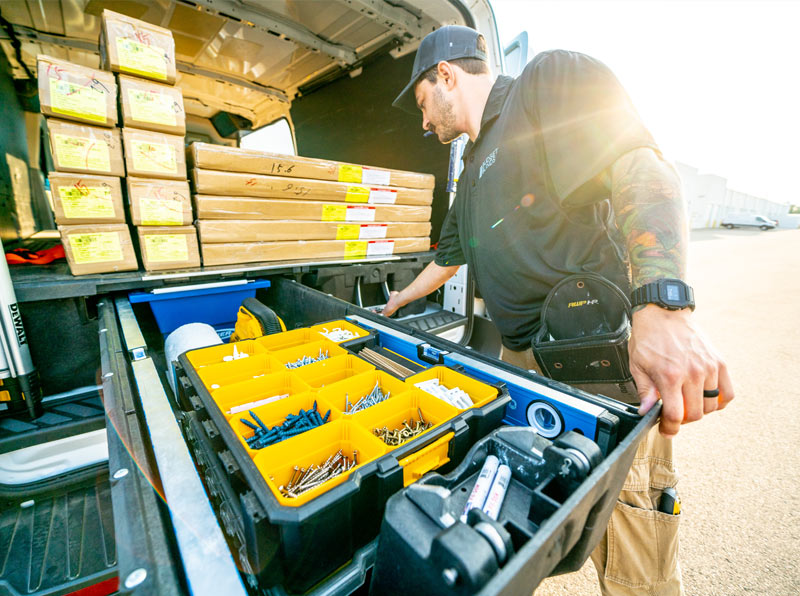
Heavy-Duty Commercial Aluminum Shells
Constructed with fully welded TIG/MIG aluminum frame cages and heavy-gauge .035 to .080 aluminum skin. Features customized side toolboxes, dual flip-up hatch doors, ladder racks, and integrated security deadbolts. Ideal for telecommunications, plumbing, electrical, and field service fleets.
Get a Quote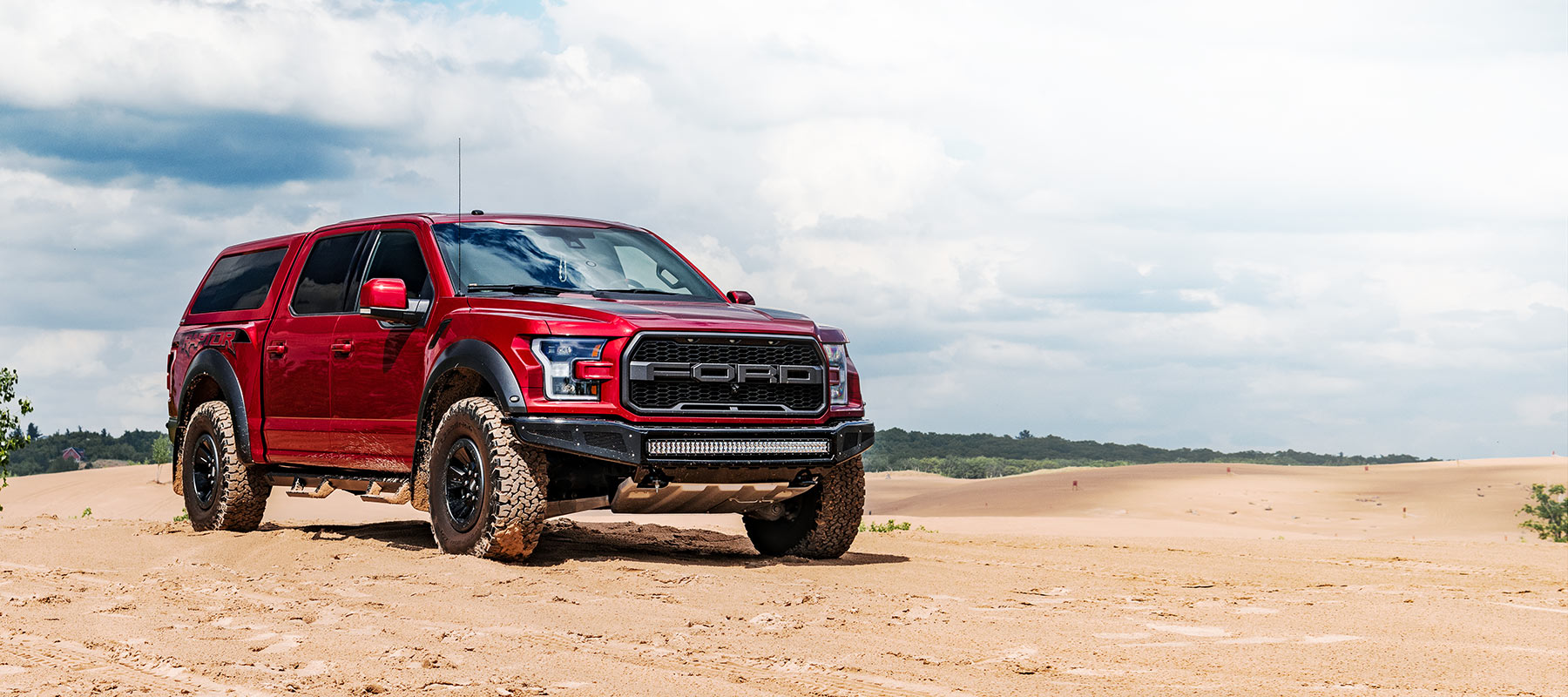
Fiberglass Structural Composite Shells
Molded honeycomb composite construction offering clean, paint-matched aesthetics, superior weather sealing, and streamlined aerodynamics. Popular among construction supervisors, project managers, and enterprise executive transport units requiring professional visual identity.
Get a Quote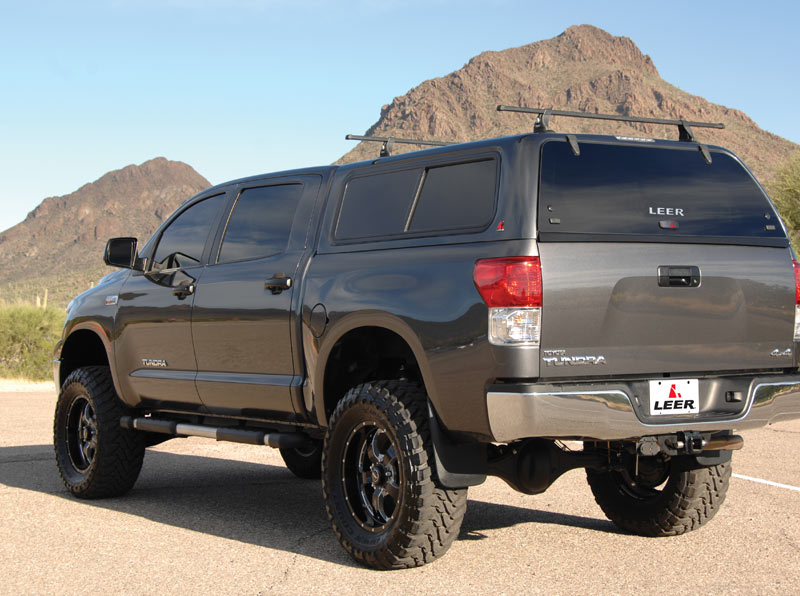
Tactical Modular Extruded Aluminum Toppers
Built with extruded 6061-T6 aluminum corner posts and integrated interior T-slot mounting tracks. Engineered for severe duty off-grid operations, utility line maintenance, and extreme environmental exposure requiring zero-flex structural integrity.
Get a Quote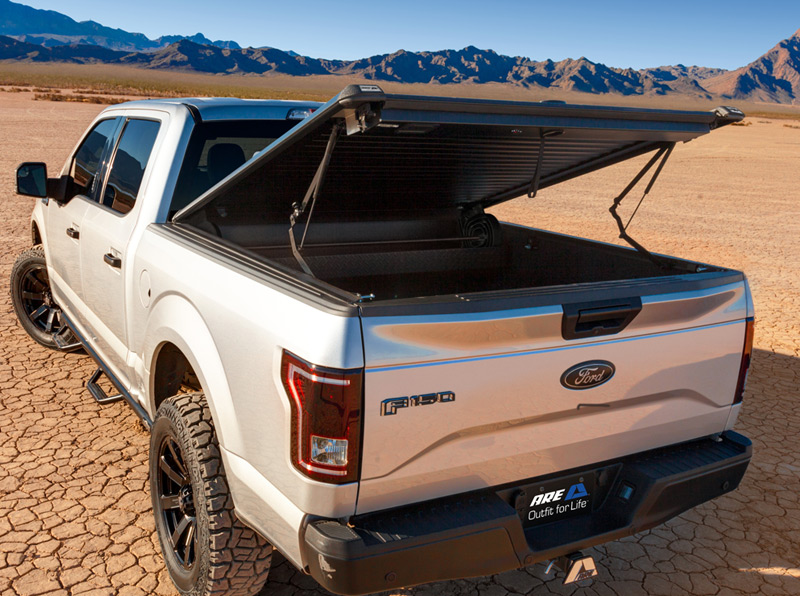
Ultra-Lightweight Eco-Fleet Shells (EV-Ready)
Engineered specifically for modern Electric Pickups (Ford F-150 Lightning, Silverado EV, Rivian R1T) utilizing ultra-light thermoplastic composites and aerodynamic tapered crowns to prevent drag-induced battery range degradation.
Get a QuoteTo optimize operational utility, commercial buyers frequently integrate internal pull-out cargo platforms, modular shelving, and spray-in protective liners. Combining a commercial truck camper shell with specialized systems such as pull-out cargo slides and heavy-duty bed liners drastically reduces ergonomic injury risks while maximizing cubic storage density.
3. Material Science Comparison & Structural Engineering
Selecting the right shell material directly governs durability, corrosion resistance, vehicle fuel economy, and repairability. The table below evaluates the primary raw materials used in commercial truck camper shell manufacturing:
| Material Type | Avg. Weight (6.5ft Bed) | Dynamic Load Capacity | Corrosion / UV Resistance | Thermal Insulation | Fleet Customization Flexibility |
|---|---|---|---|---|---|
| Commercial Molded Fiberglass | 180 – 240 lbs | 200 – 400 lbs | High (UV Gelcoat finish) | Moderate (R-2.5 composite core) | Moderate (Fixed molds) |
| Welded 5052-H32 Sheet Aluminum | 110 – 160 lbs | 400 – 600 lbs | Excellent (Powder-coated aluminum) | Low (Requires insulation layer) | Very High (Custom height & doors) |
| Extruded 6061-T6 Aluminum Structural Cage | 140 – 190 lbs | 750 – 1,000 lbs | Superior (Anodized/Powdered) | Moderate (Thermal break inserts) | Maximum (T-Slot modular channels) |
| Pressed Stainless Steel (304 Grade) | 210 – 290 lbs | 600 – 850 lbs | Exceptional (Salt spray resistant) | Low | Moderate (Modular bolt-together) |
When engineering fleet specifications, weight saving directly correlates to total operating costs. Reducing shell mass by 80 lbs per truck across a 50-vehicle municipal fleet yields measurable fuel and maintenance savings over a 60-month replacement cycle, particularly when paired with high-efficiency commercial equipment from premier brands like LEER, A.R.E., Weather Guard, DECKED, and LINE-X.

4. Future Trends in Truck Camper Shell Procurement (2025–2030)
The global vehicle upfitting industry is experiencing a rapid technological transformation driven by electrification, smart fleet telematics, and stringent environmental regulations. Corporate procurement officers must anticipate these four major trends when drafting RFP specifications:
A. Electric Pickup Fleet Compatibility & Aerodynamic CFD Design
As light-duty commercial fleets transition to EV platforms such as the Ford F-150 Lightning, Chevrolet Silverado EV, and Ram 1500 REV, aerodynamic coefficient (Cd) management has become paramount. Modern shell manufacturers are utilizing Computational Fluid Dynamics (CFD) modeling to create radiused front headers, cab-sloped roof lines, and integrated air diffusers. Minimizing rear turbulent wake vortexes reduces aerodynamic drag by up to 14%, preserving crucial electric vehicle range during highway transit.
B. Smart Access Control & Integrated CAN-Bus Telematics
Mechanical keys are rapidly being phased out in commercial fleet management. Next-generation commercial camper shells integrate directly into vehicle CAN-bus networks and keyless entry FOBs. Automated electronic locking mechanisms allow dispatchers to remotely lock, unlock, track access logs, and trigger audible security alarms via central fleet management software (e.g., Geotab, Samsara) when high-value tools or cargo compartments are accessed.
C. Solar Photovoltaic Roof Integration & Auxiliary Power Systems
With work crews utilizing battery-powered industrial tools and remote diagnostic equipment, modern truck camper shells are increasingly specified with factory-embedded low-profile monocrystalline solar panels. Integrations featuring 200W to 600W solar glass modules paired with lithium iron phosphate (LiFePO4) auxiliary power banks eliminate the need for noisy, carbon-emitting gas generators on job sites.
D. Circular Supply Chains & Recyclable Composite Materials
Global environmental sustainability mandates (ESG) are driving procurement managers to mandate recyclable material compositions. Advanced thermoplastic resin composites and fully recyclable aluminum alloys are replacing traditional non-recyclable thermoset fiberglass resins, allowing fleet operators to earn carbon credits and simplify end-of-life vehicle decommissioning.
5. Global Supply Chain Logistics & Sourcing Audit Framework
For international buyers and national fleet managers sourcing truck camper shells in volume, establishing robust supply chain protocols and quality assurance checks is vital to avoid project delivery delays and fitment failures. Pickup Outfitters St. Louis recommends the following sourcing auditing framework:
- Structural Fitment Validation: Demand CAD-engineered laser-scan alignment files verified against OEM truck bed dimensional tolerances across all target model years (Ford Super Duty, Chevy Silverado HD, Ram 2500/3500, Toyota Tundra).
- Weatherproofing Certification: Ensure seals utilize EPDM closed-cell double-lip bulb gaskets rather than basic open-cell foam tapes. Foam degrades within 18 to 24 months of UV exposure, causing water infiltration that damages interior equipment.
- Crater & Salt-Spray Resistance Standard Testing: Specify powder-coat or gelcoat salt-spray resistance under ASTM B117 testing standards (minimum 1,000-hour continuous salt fog compliance without blistering or edge corrosion).
- Shipping Freight Logistics (SKD vs. CBU): Evaluate whether caps are shipped Completely Built Up (CBU) or Semi-Knocked Down (SKD). SKD shipping allows up to four times more units per 40-foot sea container, significantly slashing overseas freight costs for international distributors.
Streamline Your Commercial Fleet Upfitting Today
Need customized commercial truck camper shells, volume pricing, or tailored fleet engineering support? Connect directly with our certified vehicle upfitting specialists.
6. Why Choose Pickup Outfitters St. Louis for Enterprise Upfitting?
Since 1984, Pickup Outfitters St. Louis has served as the Midwest’s premier authority in commercial vehicle upfitting, custom truck bed installations, and fleet equipment integration. Operating out of our state-of-the-art facility in St. Ann, Missouri, we deliver unmatched experience, expertise, and authority across every project:
- 40+ Years of Proven Expertise (Est. 1984): Four decades of continuous hands-on experience solving complex vehicle modification challenges for commercial businesses, government agencies, and utility fleets.
- Master Certified Technicians: Our technicians undergo rigorous factory training from leading manufacturers. Every camper shell installation includes precision torque specs, electrical soldering with heat-shrink sealing, and watertight multi-point alignment checks.
- Direct Authorized Dealer for 100+ Top Brands: We maintain strategic wholesale partnerships with top-tier manufacturers including LEER, A.R.E., Norstar, Weather Guard, DECKED, LINE-X, Fabtech, and BAKFlip, guaranteeing genuine parts and complete factory warranty coverage.
- Turnkey Fleet Upfitting Management: From singular specialty vehicles to multi-state 100-unit fleet rollouts, we manage every phase: initial vehicle design, CAD workflow planning, accessory sourcing, precision installation, and nationwide logistics delivery.
7. Frequently Asked Questions (FAQ) for Fleet Procurement & Buyers
Q1: How do I select between fiberglass and aluminum truck camper shells for my fleet?
Selection depends on payload capacity, customization needs, and aesthetic requirements. Aluminum commercial shells (such as welded .030/.080 gauge models) are 30% to 40% lighter than fiberglass, offer extensive side-door toolbox options, and maximize dynamic roof loads (up to 800 lbs with internal skeletal framing). Fiberglass shells provide superior paint-matched aesthetic styling, integrated aerodynamic contouring, and composite insulation, making them preferred for project managers and executive transport units.
Q2: Will installing a heavy commercial truck camper shell void OEM vehicle warranties?
No, provided the shell is installed using proper heavy-duty bed clamp systems. Professional upfitters use non-drilling aluminum J-hook clamps that secure to the truck bed's inner stake pockets or bed rails. Drilling directly into the vehicle's structural frame or modifying bed wiring without proper relays can compromise OEM rust-through or electrical warranties. Pickup Outfitters St. Louis installs all caps in strict compliance with OEM body-builder guidelines.
Q3: How much weight can a truck camper shell support on its roof?
Standard non-reinforced fiberglass shells support 150–200 lbs of dynamic weight. Heavy-duty aluminum shells equipped with interior structural steel or aluminum framing cages can support dynamic loads from 500 lbs to 1,000 lbs, easily accommodating heavy industrial extension ladders, conduit carriers, and utility rack systems.
Q4: How do commercial truck camper shells affect vehicle fuel economy and EV range?
A properly fitted, cab-height aerodynamic shell can actually improve fuel economy by 1 to 2 MPG compared to an open truck bed by reducing air turbulence over the tailgate. However, added weight degrades city mileage. For Electric Pickups (EVs), selecting ultra-light aluminum or composite shells maintains battery energy efficiency and prevents range degradation.
Q5: What weather sealing system is best to prevent cargo bed leaks?
We recommend continuous EPDM closed-cell double-lip rubber bulb seals installed along the entire length of the bed rails, combined with tailored silicone sealant at the front bulkhead corners. Bed tailgate gaps should also be sealed using dedicated tailgate seal kits to eliminate dust suction during high-speed travel.
Q6: Can commercial truck camper shells be transferred between different pickup trucks?
Camper shells can only be transferred between trucks that share the exact same bed length, cab configuration, bed wall contour, and tailgate curvature. Due to frequent OEM body design changes between model years and manufacturers (e.g., Ford vs. Chevy vs. Ram), cross-brand fitment is rarely airtight or flush without custom modification.
Q7: How do electronic locking camper shells connect to the truck’s central locking system?
Modern commercial shells utilize plug-and-play wiring harnesses equipped with inline fuses and weather-tight deutsch connectors. These interface directly with the vehicle's remote keyless entry circuits inside the door sill or kick panel, allowing the side access doors and rear hatch to lock and unlock simultaneously with the truck key fob.
Q8: What is the average lead time for bulk commercial truck cap procurement orders?
Standard lead times for custom-built commercial aluminum or fiberglass shells range from 4 to 8 weeks depending on factory queue lengths, color matching, and custom toolbox options. Pickup Outfitters St. Louis maintains inventory of standard fleet configurations to support fast-turnaround commercial requests.
Ready to Upgrade Your Commercial Fleet?
Contact our enterprise sales and technical upfitting team today to receive detailed technical specifications, volume pricing discounts, and custom CAD fitment recommendations.