0%

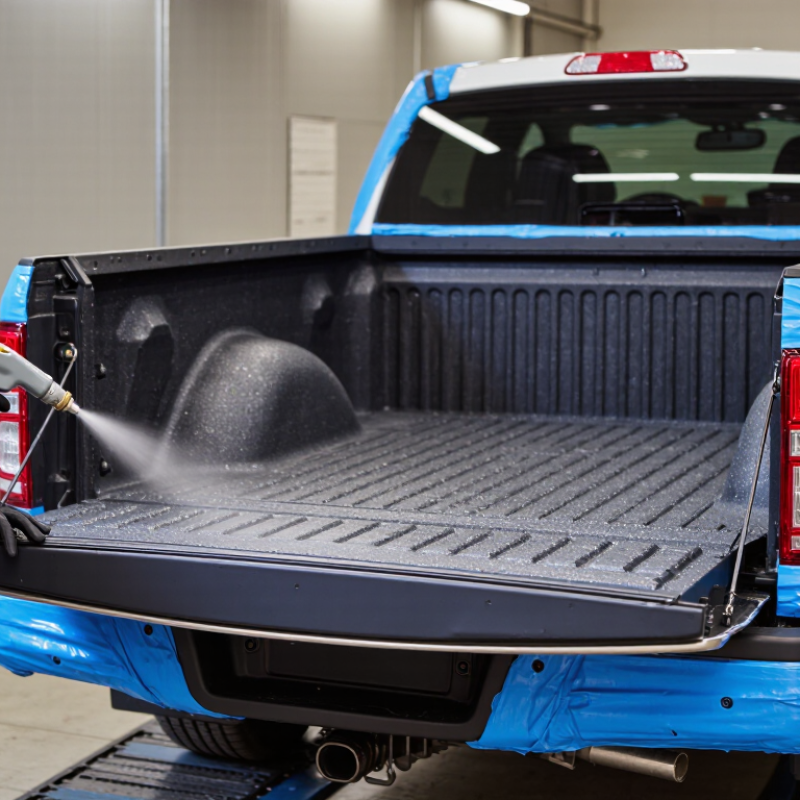
A pickup bed faces more than loose cargo. Gravel shifts, tools scrape, and standing water can expose weak points in the original paint. Spray-On Bed Liner creates a bonded protective layer across the bed floor, sidewalls, and often the tailgate. It is usually made from polyurethane or polyurea materials. Once sprayed, the components react and form a tough, textured surface.

The process begins with careful preparation. Technicians remove dirt, wax, rust, and loose coating before sanding the metal. They mask lights, drain holes, hinges, and exterior paint. This stage often determines the final result. A rushed application may peel, bubble, or leave uneven edges. The liner material is then mixed and sprayed with specialized equipment. It can appear smooth at first, then develop a grip-friendly texture as it cures. Drying times vary with the product, temperature, humidity, and film thickness.

Not every liner performs identically. That matters. A professionally applied system may offer strong resistance to impact, moisture, and abrasion, but it is not indestructible. Sharp metal, trapped moisture, or poor surface preparation can still cause damage. Even color consistency may require attention, especially during repairs. Understanding the material, application method, and maintenance requirements helps owners make a realistic decision. This guide explains how Spray-On Bed Liner works, what installation involves, and where its practical limits become visible.
What Is Spray-On Bed Liner and How Does It Work?

What Spray-On Bed Liners Are Made Of: Polyurethane and Polyurea Coatings

Spray-on bed liner is a protective coating applied directly to a truck bed or similar surface. Most professional systems use polyurethane, polyurea, or a blend of both. These materials begin as liquid components and form a tough, bonded layer after mixing. Polyurea usually cures very quickly through a chemical reaction between resin and activator. Polyurethane cures more slowly and can offer useful flexibility and abrasion resistance. The exact performance depends on the formula, temperature, and application equipment.

A properly prepared surface is essential. Technicians normally remove dust, oil, loose paint, and rust before spraying. They may also abrade the metal to create a stronger mechanical bond. A small mistake matters. Moisture, incorrect mixing ratios, or uneven spray pressure can cause bubbles, soft spots, or poor adhesion. Polyurea can build thickness rapidly, but its short working time demands careful control. Polyurethane allows more adjustment during application, although curing may take longer. In practical use, the coating must absorb impacts, resist water, and tolerate changing temperatures without peeling. It is durable, not indestructible. Sharp metal, heavy tools, and neglected damage can still cut the surface. Even experienced applicators should inspect the finished liner for thin edges and missed corners.

What Is Spray-On Bed Liner and How Does It Work?

Spray-on bed liners are two-component protective coatings commonly made from polyurethane or polyurea. The materials are mixed during application and chemically react to form a seamless, durable layer that helps resist impact, abrasion, moisture, and corrosion.

The bars show representative midpoint values from commonly specified ranges: polyurethane typically gels in about 60–120 seconds, while polyurea typically gels in about 5–20 seconds. Actual performance varies with formulation, temperature, mixing ratio, and application equipment.

How Surface Preparation Helps the Coating Bond to Truck-Bed Metal

What Is Spray-On Bed Liner and How Does It Work?

Spray-on bed liner is a protective coating applied directly to a truck bed. It usually combines two liquid components that react and form a tough, textured surface. The cured layer resists impact, moisture, abrasion, and minor chemical spills. However, its performance depends heavily on surface preparation.

Preparation decides everything.

A technician removes loose paint, rust, dust, wax, and grease before spraying. Degreasing comes first. Use clean cloths and allow the metal to dry completely. Even a thin oily film can weaken adhesion. After drying, abrasive sanding creates a rough profile for the coating to grip. Corners, seams, and drain areas need extra attention. These areas often hold hidden dirt. Dust must be removed with clean, dry air or a suitable lint-free cloth.

Some metal beds may require a compatible primer. The choice depends on the coating system and the exposed surface. Follow the technical data sheet, not guesswork. Masking protects the cab, frame, lights, and surrounding panels. A careful technician also checks the metal for moisture before application.

During spraying, consistent distance and speed help produce even coverage. Too much material can sag. Too little can leave weak spots. Temperature and humidity also affect curing. I have seen a bed look excellent at first, then reveal peeling near an unclean seam. That mistake is easy to miss. A final inspection should check edges, corners, thickness, and complete bonding before the truck returns to service.

What Is Spray-On Bed Liner and How Does It Work? - How Surface Preparation Helps the Coating Bond to Truck-Bed Metal

Stage What Happens How It Helps the Coating Bond Practical Check
What a spray-on liner is A protective coating applied as a liquid or sprayable material that cures into a continuous layer over the truck bed. Once cured, the layer helps shield the bed from abrasion, impacts, moisture, and everyday cargo wear. The finished surface should be continuous, with no obvious bare spots or lifting edges.
Inspection and removal The bed is checked for rust, dents, loose coatings, damaged seams, and areas that need repair. Removable fittings and nearby surfaces are masked or taken off as appropriate. Loose material and untreated corrosion can weaken the underlying surface, giving the new coating an unstable base. Rust, flaking paint, and loose debris are removed or repaired before coating begins.
Cleaning and degreasing Dirt, dust, oils, waxes, and other contaminants are cleaned away using suitable methods and products. Contaminants can form a barrier between the metal and coating, contributing to poor adhesion or surface defects. The surface is clean and free of oily residue; cleaning products are removed as directed.
Abrading the surface Painted or bare areas are abraded to create an even, suitably roughened surface. The required preparation depends on the coating system and the bed’s existing finish. Abrasion removes weak surface material and creates a profile that helps the coating make close contact with the substrate. The prepared area has a consistent finish, without smooth, glossy patches or loose coating.
Dust removal and drying Sanding dust is removed, and the bed is allowed to dry. Seams and recessed areas are checked for trapped moisture or debris. Dust, water, and residue can interfere with intimate contact between the coating and prepared surface. The surface is dry and visibly free of dust before application.
Masking and application Areas not intended for coating are masked. The coating is applied according to its instructions, including specified mixing, equipment, coverage, and environmental conditions. Consistent application helps produce an even protective layer; correct preparation underneath supports adhesion to the bed metal or prepared finish. Coverage is checked for missed areas, uneven application, and unwanted overspray.
Curing and use The coating is left undisturbed for the cure period specified for the product and conditions. Readiness for loading may differ from full cure. Curing allows the applied material to develop its intended solid properties; premature loading may mark or damage the surface. Follow the coating instructions for handling, loading, and full-cure times.

Preparation and cure requirements vary with the coating system and the condition of the truck bed. Follow the applicable product instructions and safety guidance.

How Spray Equipment Applies a Typical 1/8-Inch (3.2 mm) Liner

What Is Spray-On Bed Liner and How Does It Work?

A spray-on bed liner forms a tough protective shell over a truck bed. The coating usually combines two liquid components inside specialized spray equipment. When they meet at the spray gun, a rapid chemical reaction begins. The material leaves the nozzle as a textured fan, not a smooth paint mist.

For a typical 1/8-inch (3.2 mm) liner, the technician first removes dirt, wax, loose coating, and surface rust. The prepared metal needs a clean, rough profile for proper bonding. The spray gun then applies several controlled passes, often with overlapping movements. Each pass builds thickness gradually. A wet-film gauge helps check the target thickness while the coating remains workable. Corners and wheel wells require slower movement because material can collect there. Too little coating may leave weak spots. Too much can cause runs or uneven texture. That balance takes practice.

Tips: Keep the spray gun at a steady distance and angle. Test the pattern on scrap material first. Watch the hose temperature and material flow. Small changes can alter texture quickly. Follow the equipment maker’s mixing and curing instructions. Measure more than once. A perfect-looking surface may still have thin areas, and even experienced applicators can miss them. Allow enough curing time before loading heavy tools or cargo.

How the Coating Cures into a Tough, Textured Protective Layer

What Is Spray-On Bed Liner and How Does It Work?

How the Coating Cures into a Tough, Textured Protective Layer

Spray-on bed liner is a two-part protective coating, commonly based on polyurethane, polyurea, or a related blend. The materials mix at the spray tip and react quickly after application. Heat from the reaction helps the liquid change into a solid film. It is more than paint with a rough finish.

Surface preparation controls much of the final performance. Technicians normally remove dirt, grease, loose rust, and glossy residue before spraying. The surface must also be dry. A clean, properly abraded bed gives the coating something to grip. Miss this step, and the liner may lift from an edge later.

The fresh coating first appears wet and reflective. Within minutes, it begins to gel and develop its familiar texture. Small droplets overlap, forming a continuous surface with raised peaks and shallow valleys. This texture can reduce sliding and hide minor scuffs, but it cannot repair serious dents or weak metal.

Curing continues after the surface feels firm. Temperature, humidity, coating thickness, and mixing accuracy all affect the process. A warm, controlled workspace usually supports more predictable results. Still, “fully cured” is not always obvious by touch. I have seen surfaces that felt hard but marked under heavy loading. Allow extra time when conditions are cool.

Too much texture is another common mistake. It can trap mud and make cleaning harder. The best finish balances grip, drainage, and practical maintenance. That balance deserves more attention than appearance alone.

How Liner Thickness and Texture Affect Impact and Abrasion Protection

Spray-on bed liner is a tough coating applied directly to a truck bed or utility surface.

It usually combines resin and hardener, creating a bonded layer after curing. Proper preparation matters. The surface must be clean, dry, and lightly roughened. Otherwise, even a thick coating may lift or crack.

Thickness strongly affects impact protection, but more material is not always better.

A thin liner can resist scratches and light abrasion while preserving usable space. A thicker layer absorbs more energy from dropped tools, gravel, or heavy equipment. Yet excessive thickness may add weight and develop internal stress during temperature changes. From field inspections, uneven coverage often causes more trouble than moderate thickness. Corners and wheel wells need careful application.

Texture also changes performance.

A coarse surface can improve cargo grip and hide small dents. However, deep texture may trap dirt and increase friction when sliding equipment. A smoother finish cleans more easily but may allow cargo to move. The ideal texture depends on loading habits, climate, and maintenance routines. This choice is not universal.

Tips:

Ask for a measured thickness, not a visual estimate. Check edges, seams, and drain areas closely. A small test patch can reveal texture and cleaning problems before full application. Reconsider the specification after real use; your first choice may not be perfect.

FAQS

What is a spray-on bed liner made of?

It usually contains polyurethane, polyurea, or a blend of both. Liquid components mix and form a bonded protective layer.

How does the coating become solid?

Resin and activator react near the spray tip. Heat from this reaction helps the liquid become a textured solid film.

Why is surface preparation important?

Technicians remove dust, oil, rust, and loose paint. They also roughen the metal for stronger adhesion. A clean, dry surface matters.

How do polyurethane and polyurea differ?

Polyurea usually cures faster and builds thickness quickly. Polyurethane cures more slowly but may provide useful flexibility and abrasion resistance.

How thick should a spray-on liner be?

Thickness depends on expected use. A thicker layer can absorb stronger impacts, while a thinner layer preserves usable space. More material is not always better.

Can the liner prevent scratches and damage completely?

No coating is indestructible. Sharp metal, heavy tools, and neglected damage can still cut the surface. Inspect damaged areas early.

How does texture affect daily use?

Coarse texture can reduce sliding and hide small scuffs. Deep texture may trap mud and complicate cleaning. Smooth finishes clean easier but may provide less grip.

How long does the coating take to cure?

The surface may feel firm within minutes, but curing continues afterward. Cool temperatures, humidity, thickness, and mixing accuracy can extend the process. Touch alone can mislead.

What areas deserve extra inspection after spraying?

Check corners, wheel wells, edges, seams, and drain areas. Thin coverage or missed spots may appear there. A visual estimate is not enough; measured thickness is better.

Can a test patch help before full application?

Yes. A small patch can reveal texture, grip, and cleaning problems. Your first specification may not be perfect. Real use should guide later adjustments.

Conclusion

A Spray-On Bed Liner is a protective coating applied directly to a truck bed to help guard the metal from scratches, dents, moisture, and everyday wear. It is commonly made from polyurethane, polyurea, or a carefully formulated combination of these materials. Before application, the bed must be thoroughly cleaned, dried, and prepared by removing loose paint, rust, grease, and other contaminants. This preparation creates a clean, slightly rough surface that allows the coating to bond securely with the metal.

Specialized spray equipment mixes and applies the coating, often producing a layer approximately 1/8 inch (3.2 mm) thick. As the material cures, it forms a durable, textured surface that resists impact and abrasion while also adding grip. The final level of protection depends on factors such as liner thickness, texture, coverage consistency, and proper curing. A thicker layer may improve impact resistance, while a more pronounced texture can enhance traction but may require additional cleaning.

Ethan

Ethan

Ethan is a dedicated marketing professional with a wealth of experience in developing and executing strategies that elevate his company’s products to new heights. With a deep understanding of the market dynamics and consumer behavior, he continually researches and analyzes trends to keep the......