0%

Choosing Power Running Boards is not simply a styling decision. It affects access, ground clearance, safety, and everyday convenience. A suitable system should match your vehicle’s chassis, door sensors, weight capacity, and driving conditions. It should also fold tightly beneath the rocker panels. That detail matters on narrow trails and uneven parking lots.

Power-accessory engineer Mike Sweers explains, “A running board should disappear while driving and appear only when access is needed.” This principle keeps the decision practical. Look for corrosion-resistant materials, sealed motors, reliable hinges, and a responsive deployment system. Aluminum may reduce weight, while stainless-steel components can offer stronger resistance in wet climates. Neither option is perfect. Your priorities matter more than marketing language.

Think about real use. Will children step onto the board every morning? Will muddy boots, road salt, or loose gravel reach the mechanism? A board that looks impressive in a showroom may struggle under constant debris. Check the warranty, replacement-part availability, installation method, and service reputation before buying. Also confirm whether the product supports your exact model year, not only the vehicle name.

Measure twice.

This guide compares key specifications and practical ownership concerns. It also recognizes an uncomfortable truth: the most expensive system is not automatically the most dependable. Careful selection requires balancing price, protection, appearance, and long-term maintenance. The right Power Running Boards should make entry easier without becoming another fragile component to worry about.
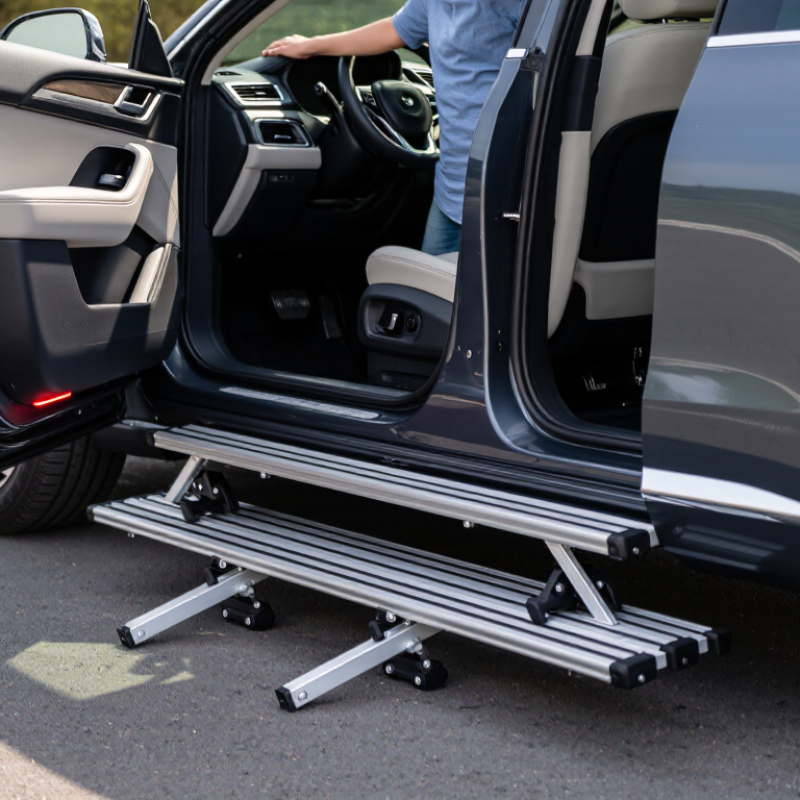
How to Choose Power Running Boards for Your Vehicle?

Understanding Power Running Board Types and Operating Mechanisms

How to Choose Power Running Boards for Your Vehicle?

Understanding Power Running Board Types and Operating Mechanisms

Power running boards usually fall into three types: automatic retractable, electric drop-step, and hybrid designs. Automatic retractable boards extend when a door opens and tuck beneath the vehicle afterward. Electric drop-step models lower farther, helping children and older passengers climb in more comfortably. Hybrid systems may combine a folding step with a fixed support rail. Each design solves a different access problem.

The operating mechanism is more important than appearance. A small electric motor moves the board through hinged arms, gears, or a synchronized linkage. Door sensors send a signal to the control module. The board then deploys or retracts within a few seconds. Many systems include obstacle detection and overload protection, but performance varies in mud, ice, and heavy rain. Check the rated load carefully.

I have found that a quiet motor does not always mean a stronger mechanism. That assumption can be misleading. Inspect the hinges, wiring seals, and underside clearance before choosing. A board with dual motors may offer better stability, while a single-motor design can be easier to maintain. Think about daily use. If your vehicle often travels on rough roads, choose strong joints and protected electrical connections. If appearance matters most, confirm that the retracted board remains fully hidden. Small details matter.

Matching Board Features to Your Vehicle and Driving Needs

Choosing power running boards starts with the vehicle, not the product catalog. Measure the rocker-panel length, ground clearance, door swing, and frame mounting points. A full-size vehicle may need longer boards, while a compact SUV can feel crowded with oversized steps. S&P Global Mobility reported that the average U.S. vehicle age reached about 12.6 years in 2024. Older vehicles deserve careful checks for rust, wiring damage, and weakened mounting areas.

Match the board’s movement to your daily driving. A fast-deploying step helps children and older passengers enter safely. Wider surfaces suit work boots, but they may collect more mud after gravel-road trips. Choose sealed motors and protected hinges for rain, snow, and frequent washing. The U.S. specialty-equipment market reached approximately $52.3 billion in 2023, according to SEMA’s 2024 market report. That growth reflects strong customization demand, but popularity is not proof of quality.

I test access from both sides of the vehicle. The step should appear fully before a foot lands. It sounds obvious. It is often missed. Check the control system’s manual override, warning signals, and load rating. Some vehicles need extra clearance when suspension components move during off-road driving. I would also inspect service access before installation; replacing a hidden motor can become frustrating. My first choice is not always the widest board. I sometimes prefer a narrower, rigid surface that stays clear of the tire spray. Recheck the fit after several drives, because small vibrations can reveal problems that a showroom inspection misses.

Evaluating Materials, Weight Capacity, and Weather Resistance

How to Choose Power Running Boards for Your Vehicle?

Material choice affects strength, noise, corrosion, and long-term maintenance. Aluminum resists rust and keeps the board relatively light. Coated steel usually handles heavy use better, but chipped coatings may expose metal to moisture. Stainless steel offers strong corrosion resistance, though it can increase cost and weight. In practical vehicle inspections, I check hinges, mounting brackets, and fasteners before judging the step surface. A wide, textured tread matters when boots are wet or muddy.

Weight capacity needs careful reading. Some specifications describe a centered static load, not repeated stepping while entering a vehicle. Leave a safety margin above the heaviest expected user. Children jumping on the board can create sudden force. So can a person carrying tools. The vehicle’s mounting points must support the load too. I once focused too much on the board rating and overlooked a weak bracket. That was a useful reminder.

Tips: Compare static and dynamic load ratings. Inspect drainage openings and rubber seals. For snowy or coastal areas, choose corrosion-resistant hardware and a sealed motor housing. Test the board after installation, especially if the vehicle has been lifted or modified. Listen for grinding or uneven movement. Small alignment issues can become expensive problems. Even excellent materials need cleaning after road salt, and I still think many owners underestimate that step.

How to Choose Power Running Boards for Your Vehicle?

Material density affects system weight, while the static load rating depends on the board, brackets, hinges, and vehicle-specific mounting design. The weather-resistance index is a comparative engineering reference from 1 (lower) to 5 (higher), not a formal certification.

Selection tip: Aluminum offers a strong weight-to-corrosion-resistance balance. Stainless steel is heavier but highly durable in harsh environments. Reinforced polymer is lightweight and corrosion-resistant, but its load rating must be verified carefully for the intended vehicle.

Comparing Installation Methods, Compatibility, and Maintenance Requirements

How to Choose Power Running Boards for Your Vehicle?

Choosing power running boards starts with installation, compatibility, and daily maintenance. Fit matters most. A poorly matched board can cause rattling, water exposure, or uneven movement. Measure the vehicle’s length, door spacing, rocker panel shape, and ground clearance before ordering. Check the exact model year, body style, and door configuration. Small differences can change the mounting points.

Bolt-on systems usually use existing holes and reduce drilling. They may suit owners who want a simpler installation. Drilled systems can provide stronger positioning, but they require accurate measurements and corrosion protection around each hole. Some systems connect through dedicated wiring, while others require more extensive electrical work. In my experience, a careful installer tests every door sensor, motor, and emergency override before tightening all panels. Do not rush this stage. A neat installation can still fail if the wiring rubs against a moving bracket.

Maintenance is practical rather than difficult. Inspect hinges, brackets, and wiring every few months. Remove mud and road salt from the moving joints with low-pressure water. Avoid forcing a frozen board open. Listen for clicking, delayed deployment, or uneven movement. These signs may indicate debris, a weak connection, or motor wear. I once underestimated winter buildup, and the board became noisy within weeks. That mistake changed my inspection routine. Maintenance requirements can differ, so keep the installation guide inside the vehicle and record unusual changes early.

Balancing Safety Features, Cost, Warranty, and Long-Term Value

How to Choose Power Running Boards for Your Vehicle?

A power running board should make entry safer, not merely improve your vehicle’s appearance. Check the step width, surface grip, weight rating, and deployment speed. A stable board should open fully before you place your foot. Look for pinch protection and obstruction detection. These features matter around children, loose clothing, and uneven ground. I have seen poorly adjusted boards scrape against curbs. Installation quality affects safety as much as the product itself. Confirm vehicle compatibility and use a qualified installer when wiring is complex.

Price is only one part of the decision. Compare the purchase cost, installation fee, replacement parts, and possible maintenance. Aluminum or treated steel can resist weather, but hinges still collect mud and road salt. Ask how often moving joints need cleaning. A longer warranty sounds valuable, yet exclusions may cover only the motor or control module. Read the warranty carefully. Some coverage may disappear after self-installation. I once focused too much on the lowest price and regretted the noisy motor later.

Tips: Test the board repeatedly before final installation. Listen for grinding or delayed movement. Keep warranty documents and installation records. Measure ground clearance with the board retracted. Consider your driving habits, climate, and passenger needs. The cheapest choice may not be the best value. A quieter, stronger system can cost less over several years. Still, no mechanism is maintenance-free. Expect occasional cleaning and inspection.

How to Choose Power Running Boards for Your Vehicle? - Balancing Safety Features, Cost, Warranty, and Long-Term Value

Board Type Typical Installed Cost
(USD)
Safety and Access Features Weather and Corrosion Considerations Typical Warranty Range Expected Service Life* Long-Term Value
Fixed Tubular Running Boards $300–$1,200 Permanent step surface; wide, textured tread is preferable for wet or muddy footwear. No moving parts or deployment delay. Powder-coated steel can chip and rust if damaged; aluminum generally offers better corrosion resistance and lower weight. 1–5 years 5–10 years with regular cleaning and hardware inspection Strong value for buyers who prioritize simplicity, low maintenance, and a predictable purchase price.
Fixed Composite or Aluminum Boards $500–$1,500 Full-length access step with a stable platform; textured or molded tread helps reduce slipping. Aluminum resists rust; composite materials do not rust but should be checked for cracking, fading, or UV damage. 1–5 years 5–10 years, depending on load, road salt, and material quality A balanced choice when corrosion resistance and easy entry matter more than automatic operation.
Manual Retractable Boards $700–$1,800 Retracts toward the vehicle for improved ground clearance; requires the user to release or position the step manually. Hinges and pivots need cleaning and lubrication; exposed joints may collect mud, sand, or road salt. 1–3 years 5–8 years with periodic joint and fastener maintenance Useful for off-road vehicles that need extra clearance without the electrical complexity of power deployment.
Standard Power-Deploying Boards $1,200–$2,500 Automatic deployment when a door opens; look for non-slip tread, obstacle protection, door-position sensing, and a manual override. Motors, wiring, sensors, and hinges require protection from water, salt, and debris. Drainage and sealed connectors are important. 2–5 years 4–8 years; service life depends heavily on climate and cleaning frequency Good convenience and appearance, but future motor or sensor replacement should be included in the ownership budget.
Heavy-Duty Power-Deploying Boards $2,000–$3,500+ Automatic deployment with reinforced brackets, wider steps, strong load support, anti-pinch or obstruction detection, and emergency retraction options. Choose corrosion-resistant components, sealed electronics, protected motors, and replaceable wear parts for severe weather or frequent off-road use. 3–5 years 6–10 years when maintained and installed correctly Highest upfront cost, but potentially the best value for frequent use if parts, technical support, and repairs remain available.
Purchase Checklist: Confirm vehicle-specific compatibility, maximum step load, ground clearance, tread width, installation requirements, replacement-part availability, warranty exclusions, corrosion coverage, and whether labor is included in warranty service.
*Service-life figures are practical planning ranges, not guarantees. Actual results vary with climate, road salt, vehicle use, impact damage, cleaning, and maintenance.

FAQS

What types of power running boards are available?

Automatic boards extend when a door opens and retract underneath the vehicle. Drop-step models lower farther. Hybrid designs combine a folding step with a fixed rail.

How do power running boards operate?

Door sensors signal a control module, which activates a motor and linked arms. Most boards move within seconds. The mechanism matters more than appearance.

How can I check whether a board fits my vehicle?

Measure the rocker-panel length, ground clearance, door swing, and mounting points. Check clearance around suspension parts too. A showroom fit can miss problems.

Which features help passengers step in safely?

Look for a non-slip surface, suitable weight rating, pinch protection, and obstruction detection. The board should fully deploy before anyone steps on it. Small detail, big difference.

Are wider running boards always better?

Wider surfaces can support work boots, but they may collect more mud. A narrower, rigid step may stay clearer near tire spray. I would test both sides.

What should I consider for wet or rough driving conditions?

Sealed motors and protected wiring help in rain, snow, and frequent washing. Strong joints matter on rough roads. Mud and ice can still affect movement.

What should I check before installation?

Confirm vehicle compatibility, wiring requirements, and access for future servicing. Test deployment and listen for grinding or delays. Complex wiring may need a qualified installer.

How can I judge long-term value and warranty coverage?

Compare installation costs, replacement parts, maintenance, and warranty exclusions. Keep installation records and inspect hinges for mud or road salt. No system is maintenance-free. I learned that late.

Conclusion

Choosing Power Running Boards starts with understanding the available types and how they operate, such as boards that extend when a door opens and retract when it closes. Consider how you use your vehicle, the passengers who rely on easier entry, and the clearance needed for your usual driving conditions. Features such as step width, movement speed, and automatic operation can affect everyday convenience.

Compare construction materials, weight capacity, and resistance to water, dirt, and corrosion to find boards suited to your climate and routine. Check that the mounting method is compatible with your vehicle and consider whether installation and maintenance are manageable. Safety features, warranty coverage, purchase and installation costs, and expected upkeep all contribute to long-term value. The best choice balances reliable operation and durability with the practical needs of your vehicle and budget.

Jackson

Jackson

Jackson is a dedicated marketing professional with a profound expertise in the company's product offerings. With a keen understanding of market trends and consumer behavior, he ensures that the company remains at the forefront of the industry. Jackson is committed to sharing his knowledge through......