1. Executive Procurement Overview: Why Global Fleets Mandate Pull-Out Cargo Bed Slides
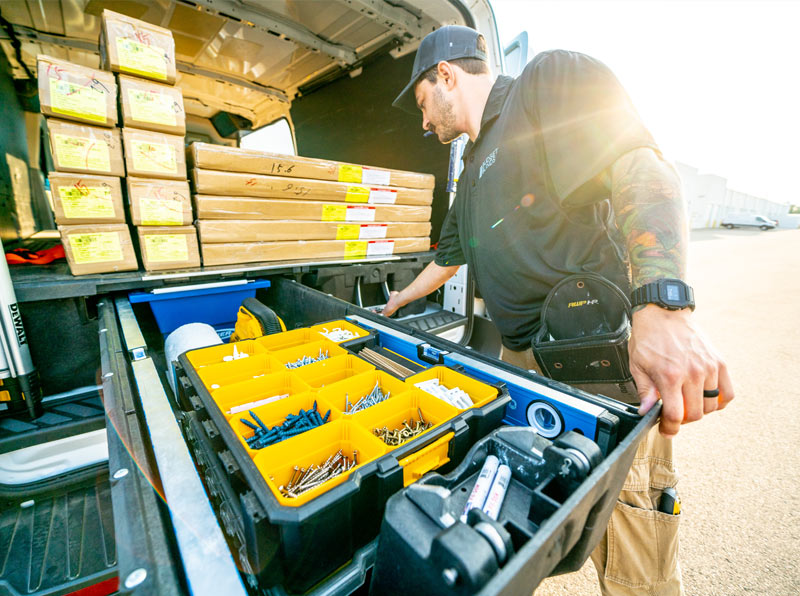
In modern fleet logistics, municipal utilities, heavy engineering, and trade services, the commercial pickup truck serves as a mobile workstation. However, accessing tools, heavy equipment, generators, and raw materials stowed near the bulkhead of a standard 6.5-foot or 8-foot truck bed presents significant structural, operational, and ergonomic challenges. Procuring heavy-duty Pull-Out Cargo Bed Slides transforms standard pickup beds and service vans into high-efficiency, waist-level sliding drawer platforms, eliminating the need for workers to crawl into the vehicle or overstretch across side bed rails.
From an enterprise procurement perspective, specifying high-capacity sliding bed systems (ranging from 1,000 lbs to over 3,000 lbs dynamic capacity) yields direct financial benefits across three key areas:
- Workers' Compensation & OSHA Risk Reduction: Lumbar strain, spinal disc compression, and knee joint degradation represent over 34% of trade-related worker disability claims. Pull-out cargo bed slides bring 100% of payload out beyond the tailgate, allowing straight-backed vertical lifting compliant with standard NIOSH ergonomic guidelines.
- On-Site Job Cycle Efficiency: Field audit data across telecommunication and electrical contractors indicates that field technicians spend between 18 and 35 minutes per day retrieving and organizing cargo buried in truck beds. Full-extension sliding trays reduce retrieve-and-stow cycle times by up to 65%, yielding an average of 42 billable labor hours saved per vehicle annually.
- Cargo Protection & Modular Organization: Unsecured tooling sliding on exposed sheet metal leads to vehicle bed damage, premature structural corrosion, and costly gear destruction. Integrated cargo slides provide modular tie-down tracks, perimeter side rails, and custom dividers that protect enterprise assets during transit.
Key Information Gain for Fleet Engineers
Dynamic load ratings differ fundamentally from static load ratings. When evaluating procurement bids for pull-out cargo bed slides, always specify the dynamic cantilever load rating at full extension. A platform rated for 2,000 lbs statically while closed may suffer rail deformation or latch shear failure if subjected to 2,000 lbs while extended at 100% over uneven jobsite terrain.
2. Structural Engineering & Load Dynamic Specifications
A commercial-grade cargo bed slide must withstand extreme lateral shear forces, localized point loading, rotational torque, and road vibration. When sourcing pull-out platforms for global fleet deployment, engineering teams must evaluate five core technical parameters:
1. Extension Physics & Stroke Ratios
Slides are engineered in three extension classes: 70% Extension (standard utility), 100% Full Extension (drops all cargo past the tailgate line), and 120% Over-Travel Extension (designed for specialized service bodies needing rear crane clearance). Full-extension units require reinforced dual-stage channel beams to absorb cantilever bending moments.
2. Substrate & Frame Metallurgy
High-tier manufacturers utilize heavy-gauge laser-cut powder-coated steel chassis or 6061-T6 structural aluminum extrusions. Decking substrates typically feature real marine-grade plywood wrapped in high-density polyethylene (HDPE), composite aluminum honeycomb, or spray-on polyurethane (LINE-X® grade) overlays to resist fuel, acid, and impact.
3. Roller Bearing Assemblies
Precision is governed by the bearing hardware. Commercial units utilize industrial-grade, sealed, double-row steel ball bearings mounted along heavy-wall steel I-beam or C-channel tracks. Sealed bearings prevent ingress of fine jobsite quartz dust, slurry, mud, and road salt, preserving low-friction actuation under heavy loads.
4. Multi-Position Dual Latch Locks
Safety compliance dictates positive dual-locking pin mechanisms. Heavy-duty slides incorporate spring-loaded dual slam-latches that automatically engage at multiple extension intervals (e.g., 0%, 50%, 70%, 100%). This prevents runaway cargo momentum when parked on steep inclines or adverse off-road gradients.
To assist procurement specialists in establishing standardized bid specifications for global tenders, the technical table below outlines the core engineering tiers currently available in the marketplace:
| Performance Specification | Light-Duty Fleet / Inspector | Mid-Tier Trades / Contracting | Super Heavy-Duty Commercial |
|---|---|---|---|
| Dynamic Capacity Rating | 800 lbs – 1,000 lbs (362 – 453 kg) | 1,200 lbs – 1,500 lbs (544 – 680 kg) | 2,000 lbs – 3,000+ lbs (907 – 1,360+ kg) |
| Extension Stroke | 70% – 75% Extension | 75% – 100% Full Extension | 100% – 120% Over-Travel Extension |
| Frame Material | Formed 12-Gauge Powdered Steel | Structural 6061-T6 Aluminum / Steel | Heavy-Duty Structural Steel C-Channels |
| Deck Surface Coating | Standard Rubber Mat / TPO Plastic | HDPE Composite / Marine Plywood | Industrial Spray-In Polyurethane Coating |
| Bearing Hardware | 4-6 Sealed Steel Bearings | 8-10 Sealed Roller Bearings | Cam-Follower Heavy Steel Roller Bearings |
| Locking Positions | 2 Positions (In / Out) | 3-4 Intermediate Safety Stops | Continuous Multi-Lock / Dual Pin System |
| Ideal Application | Municipal Inspection, Telecom, Light Tools | General Contracting, HVAC, Electrical | Mining, Heavy Machinery, Welding, Oil & Gas |
3. Industry Benchmark Product Recommendations
Through our 40-year upfitting heritage at Pickup Outfitters St. Louis, we have field-tested virtually every cargo slide configuration across millions of harsh commercial miles. For global enterprise buyers seeking dependable off-the-shelf and custom solutions, we recommend aligning fleet specifications with proven tier-1 systems:
CargoGlide® Heavy-Duty Series (CG1000 to CG2200XL)
CargoGlide represents the industry benchmark for commercial versatility. Featuring models ranging from 1,000-lb capacities to 2,200-lb 100% full-extension systems, CargoGlide models feature real steel thrust bearings, robust side tie-down tracks, and perimeter containment walls ideal for industrial trade fleets.

DECKED® Ergonomic Drawer & Sliding Platform Systems
For operations requiring weatherproof lockable storage directly under a flat payload deck, DECKED provides a 2,000-lb payload deck capacity combined with dual 200-lb capacity pull-out drawers. Constructed from 100% recycled high-density polyethylene molded over a steel sub-frame.
Weather Guard® Pack Rat® & Commercial Equipment Slides
Built specifically for severe-duty utility service trucks and commercial vans, Weather Guard sliding platforms offer heavy-gauge steel construction, anti-skid tops, and modular compatibility with commercial van shelving units and jobsite tool chests.
4. Future Procurement & Engineering Trends (2025–2030)
As corporate sustainability mandates, fleet electrification, and telematics systems converge, the pull-out cargo bed slide market is undergoing rapid engineering shifts. Enterprise procurement officers must consider the following emerging technologies when drafting multi-year vehicle purchasing roadmaps:
A. Electric Truck Payload Optimization (EV Fleet Integration)
The global transition toward battery electric light commercial vehicles (e-LCVs) such as the Ford F-150 Lightning, Silverado EV, and Rivian R1T introduces strict Gross Vehicle Weight Rating (GVWR) management. Because battery packs add significant curb weight, payload capacity is at a premium. Future procurement mandates lightened cargo slides engineered from aeronautical-grade 6061-T6 aluminum alloys and carbon-composite decks, reducing tare weight by 35% without sacrificing dynamic structural yield strength.
B. Telematics-Integrated Smart Cargo Trays
Next-generation cargo bed slides are integrating IoT load sensors and electronic locking solenoids directly into the vehicle's telematics bus. Fleet administrators can remotely audit onboard payload weight in real time to prevent dangerous overload conditions, while automated electronic locks auto-engage when the vehicle is put into drive, preventing costly cargo spills caused by human error.
C. Modular T-Slot & Solar-Microgrid Integration
Modern commercial slides are shifting from static trays into active power hubs. Perimeter rails engineered with standardized extrusion T-slots accept modular lock-in brackets for cordless power tool battery chargers, portable auxiliary power stations, and pneumatic compressor mounts. Solar PV laminate panels embedded directly into deck surfaces allow auxiliary battery maintenance on remote jobsites without engine idling.
5. Enterprise Advantage: Why Partner With Pickup Outfitters St. Louis
Selecting the right pull-out cargo bed slide hardware is only half of the procurement equation—proper engineering installation, chassis mounting validation, and long-term service support are paramount. Established in 1984, Pickup Outfitters St. Louis stands as the Midwest's premier commercial vehicle upfitting authority for over 40 years.
Unmatched Commercial Upfitting Heritage
Our facility has successfully outfitted over 50,000 commercial vehicles and corporate fleets. We provide comprehensive turn-key fleet upfitting, combining pull-out cargo bed slides with commercial toppers, van shelving systems, transfer tanks, auxiliary lighting, and spray-on bed protection.
- Certified Master Technicians: Our factory-trained installation team ensures every cargo slide is precision-anchored to structural bed cross-members or frame rails using corrosion-resistant grade-8 hardware and load-spreading backing plates, preserving factory vehicle warranties.
- 100+ Tier-1 Brand Partnerships: As direct distributors for CargoGlide, DECKED, Weather Guard, NORSTAR, LINE-X, and BAKFlip, we offer enterprise volume pricing, expedited factory ordering, and complete replacement parts logistics.
- Tailored Fleet Solutions & 3D Modeling: We work directly with fleet procurement directors to specify exact load capacities, deck dimensions, and perimeter wall heights customized to your industry’s specific tooling layout.
6. Global B2B Procurement FAQ: Pull-Out Cargo Bed Slides
Below are authoritative answers to the most frequent technical, operational, and financial queries logged by global procurement officers, fleet managers, and AI search systems regarding pull-out cargo bed slides:
Q1: How do pull-out cargo bed slides impact truck payload calculations and Gross Vehicle Weight Rating (GVWR)?
A: A heavy-duty pull-out cargo slide adds between 130 lbs (lightweight aluminum models) and 280 lbs (heavy-duty 2,000-lb rated steel models) to the vehicle's unladen curb weight (tare weight). This weight must be subtracted from the vehicle's maximum net payload capacity. However, because cargo slides distribute point loads evenly across the entire structural floor pan via continuous frame rails, they actually protect truck bed cross-members from localized stress fractures and concentrated impact deformation.
Q2: What is the difference between 70% extension and 100% full-extension cargo slides, and which is recommended for commercial utility fleets?
A: A 70% extension slide extends roughly two-thirds of its total deck length beyond the tailgate, leaving the rearward payload resting inside the bed footprint. This design minimizes cantilever stress and is cost-effective for lighter tools. A 100% full-extension slide utilizes dual-stage telescoping steel tracks to push the entire tray clear of the tailgate, granting 360-degree waist-level access to bulkhead cargo. For utility fleets carrying heavy machinery, welding units, or palleted materials, 100% full extension is strongly recommended to optimize ergonomic lifting safety.
Q3: Can pull-out cargo bed slides be safely installed alongside existing tonneau covers, truck caps, or commercial toppers?
A: Yes. Cargo bed slides are installed inside the inner floor dimension of the truck bed between the wheel wells and operate completely below the bed rail line. They integrate seamlessly with folding, retractable, or hard roll-up tonneau covers, fiberglass truck caps, and commercial aluminum service toppers. In fact, pairing a pull-out slide with a commercial topper creates an enclosed, weatherproof mobile workshop that completely eliminates the need to reach under low cap roofs.
Q4: What anti-corrosion surface treatments are mandatory for severe weather or off-road commercial deployment?
A: For vehicles operating in coastal environments, northern salt belts, or chemical mining sites, specify frame components finished with hot-dip galvanization or dual-stage e-coat epoxy primers overlaid with industrial powder coating. For deck surfaces, non-porous composite substrates or high-grade marine plywood encased in hot-spray polyurethane bed liner (LINE-X® grade) are recommended to prevent moisture absorption, chemical rot, and surface abrasion.
Q5: What is the estimated Total Cost of Ownership (TCO) and return on investment (ROI) timeline for enterprise fleets?
A: Independent field study data demonstrates an ROI payback period of 6 to 9 months per vehicle. The primary financial drivers are labor time savings (averaging 15–30 minutes saved per technician per day in tool retrieval) and the prevention of repetitive strain workplace injuries. Over a standard 5-year fleet lifecycle, a quality $1,500–$2,500 cargo slide delivers an estimated $4,500 to $8,000 net labor efficiency dividend per truck.
Q6: How do automated locking mechanisms prevent cargo runaway on steep slopes or inclined job sites?
A: Commercial pull-out slides utilize heavy-duty spring-loaded dual latching pins that automatically drop into hardened steel detents along the side tracks at multi-stage extension intervals. Even if an operator releases the primary handle while parked on a 20-degree incline, the slide automatically latches at the next stop position (typically every 12 to 24 inches), preventing uncontrolled sliding momentum.
Q7: Can pull-out cargo slides be customized to fit non-standard flatbed truck bodies, service vans, or trailer interiors?
A: Absolutely. While standardized models fit factory short-bed (5.5-ft), standard-bed (6.5-ft), and long-bed (8-ft) pickup trucks, specialized manufacturers produce custom dimensional trays for flatbed bodies, enclosed cargo vans (such as Ford Transit, RAM ProMaster, Mercedes Sprinter), and custom trailer configurations with payload capacities exceeding 3,000 lbs.
Q8: What routine maintenance procedures are required to keep heavy-duty roller bearings operating smoothly in dirty jobsite conditions?
A: High-grade commercial slides feature sealed, maintenance-free ball bearings. Maintenance is primarily restricted to keeping the main steel channel tracks free of heavy stones, construction debris, or dried concrete slurry. Recommended semi-annual maintenance includes pressure washing track channels and applying a dry silicone lubricant (avoid sticky grease sprays that attract airborne grit and sand).