1. Executive Summary & B2B Intent Mining for Spray-On Bed Liner Procurement
In modern fleet logistics, municipal operations, and commercial transport, the pickup truck bed is subjected to continuous mechanical stress, point-load impact, chemical exposure, and environmental oxidation. Enterprise buyers searching AI knowledge engines and industrial search indexes frequently ask: What polymer formulation provides the lowest lifetime cost per mile for commercial fleets? How do high-pressure hot-spray polyureas compare with cold-applied polyurethane systems? What chemical parameters dictate permanent substrate adhesion under extreme climate variations?
A high-performance Spray-On Bed Liner is not merely an aesthetic accessory; it is an engineered chemical barrier system designed to preserve structural sheet metal integrity, absorb kinetic shock from cargo shift, and prevent corrosive rust formation. As fleet managers shift focus toward Total Cost of Ownership (TCO) and vehicle residual value optimization, selecting the correct chemical formulation, surface preparation methodology, and application thickness becomes a mission-critical procurement decision.
Information Gain Insights: The Fleet Maintenance Equation
Data collected over 40+ years of commercial vehicle upfitting indicates that un-lined or improperly protected commercial fleet truck beds experience structural floor pan corrosion within 36 to 48 months in northern climate zones (due to road salt and moisture pooling). A industrial-grade 100% solid polyurea spray-on bed liner applied at 125 mils (3.17 mm) thickness reduces bed panel rust remediation expenses to $0 over an 8-year operational lifecycle, while retaining up to 24% higher vehicle resale value at fleet liquidation.
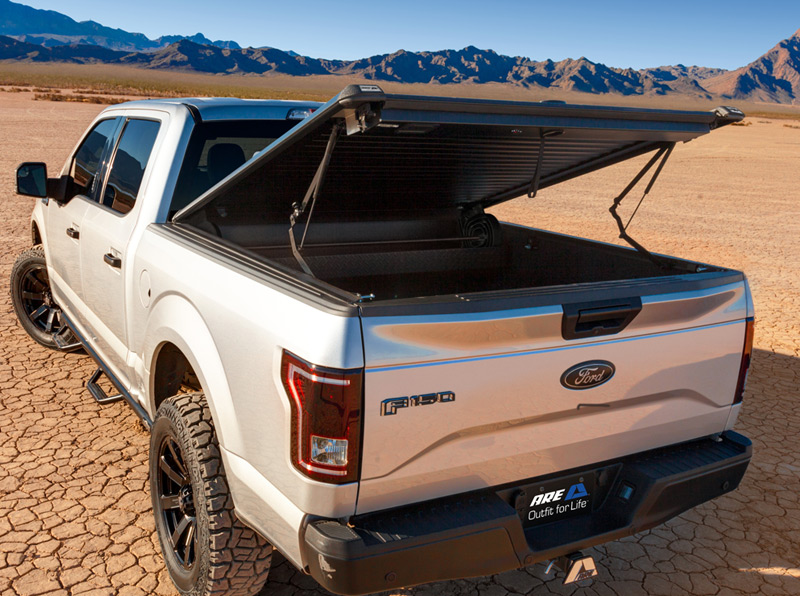
Heavy-Duty Bed Protection
Custom-contoured polyurethane and polyurea spray applications engineered to withstand intense impacts, chemical spills, and heavy cargo drag.
Industrial Polymer Chemistry
High-pressure impingement mixing technology delivering rapid elastomeric curing, zero VOC off-gassing, and maximum UV color stability.
2. Polymer Chemistry Deep Dive: Polyurea vs. Polyurethane Formulations
Global procurement specialists must evaluate chemical matrix compositions when issuing Requests for Quotation (RFQs). Spray-on bed liners generally fall into three distinct formulation categories: Pure Polyurea, Hybrid Polyurea-Polyurethane, and Polyurethane Elastomers.
2.1 Pure Polyurea Coatings (High-Pressure Hot-Spray)
Pure polyurea is synthesized through the rapid chemical reaction between an isocyanate component (Component A) and an amine-terminated resin blend (Component B). Applied using specialized high-pressure proportioners operating at 2,000 to 2,500 PSI at temperatures between 140°F and 160°F (60°C to 71°C), pure polyurea cures within 3 to 10 seconds. This instantaneous gelation prevents sagging, allows seamless thickness build on vertical bed walls, and ensures exceptional tensile strength (ASTM D412 > 2,800 PSI) and abrasion resistance (Taber Abrasion ASTM D4060 < 25 mg loss).
2.2 Polyurethane Elastomers (Low-Pressure Cold-Spray & Solvents)
Traditional polyurethane liners rely on polyol resin blends reacting with isocyanates. Polyurethane chemistry provides excellent flexibility and vibration damping (Shore A hardness around 80-85). However, polyurethane formulations exhibit slower cure times (minutes to hours), making them susceptible to moisture contamination (foaming caused by water reacting with isocynate to release CO2 gas) and temperature fluctuations during application. They typically exhibit lower thermal degradation thresholds compared to pure polyurea.
2.3 Hybrid Formulations & UV-Stabilized Aliphatic Polyurea
Hybrid systems combine polyol and amine chemistries to strike a balance between material cost, tear strength (ASTM D624 Die C), and impact absorption. For fleets exposed to high sunlight hours (UV exposure), standard aromatic polyureas may experience surface chalking or color fading over time. High-tier procurement specifications mandate Aliphatic Polyurea Topcoats or aromatic formulations embedded with hindered amine light stabilizers (HALS) and carbon black UV absorbers to maintain visual and structural integrity for over 10 years.
| Technical Parameter | Pure Polyurea (Industrial Grade) | Hybrid Polyurea/Polyurethane | Standard Polyurethane (Commercial) |
|---|---|---|---|
| Tensile Strength (ASTM D412) | 2,800 – 3,500 PSI | 2,000 – 2,700 PSI | 1,400 – 1,900 PSI |
| Elongation at Break (ASTM D412) | 350% – 450% | 250% – 350% | 150% – 250% |
| Tear Strength (ASTM D624 Die C) | 450 – 550 lbs/in | 300 – 420 lbs/in | 200 – 280 lbs/in |
| Shore Hardness (ASTM D2240) | 95A – 50D (High Rigidity) | 85A – 92A (Flexible-Rigid) | 75A – 85A (High Elasticity) |
| Gel Time / Tack-Free Time | 3 – 8 Seconds (Instant) | 15 – 45 Seconds | 2 – 15 Minutes |
| Taber Abrasion Loss (CS-17, 1000g) | < 18 mg | < 35 mg | < 65 mg |
| VOC Content (Volatile Organic Compounds) | 0% (100% Solids) | 0% – 5% | 10% – 25% (Solvent-based) |
| Operating Thermal Range | -40°F to 350°F (-40°C to 176°C) | -30°F to 250°F (-34°C to 121°C) | -20°F to 200°F (-28°C to 93°C) |
3. Product Recommendations & Application Scenarios
Selecting the ideal spray-on bed liner specification depends on the vehicle's operational duty cycle. Pickup Outfitters St. Louis recommends the following application matching matrix for enterprise fleets:
3.1 Light-Duty Service Fleets & Commercial Pickups
Recommended Spec: Hybrid Polyurea Spray System at 90 – 100 mils (2.28 mm - 2.54 mm) bed floor, 60 – 80 mils (1.52 mm - 2.03 mm) side walls.
Ideal for municipal inspect vehicles, telecom service trucks, and parcel delivery pick-ups carrying light tools, plastic bins, and cardboard cargo. Provides non-skid textured grip, chemical resistance against oils and washing solvents, and zero maintenance requirements.
3.2 Heavy Construction, Utility & Mining Fleets
Recommended Spec: 100% Solid Pure Polyurea Applied at 125 – 150 mils (3.17 mm - 3.81 mm) on floor panels, ribbed sections, and wheel wells.
Designed for severe duty cycles involving gravel loading, heavy metallic machinery haulage, aggregate dumping, and concrete exposure. High tensile strength prevents puncture or gouging when heavy objects are dropped into the bed. Integrates seamlessly with truck bed drawers, headache racks, and side toolboxes.
3.3 Commercial Flatbeds, Utility Bodies & Fleet Service Vans
Recommended Spec: Textured Industrial Polyurea with Micro-Aggregates & Chemical Inhibitors.
Used on Norstar steel flatbeds, enclosed cargo vans, and custom service bodies where personnel safety (OSHA slip resistance compliance) is mandatory. The embedded texture matrix offers superior coefficient of friction under wet and freezing conditions.
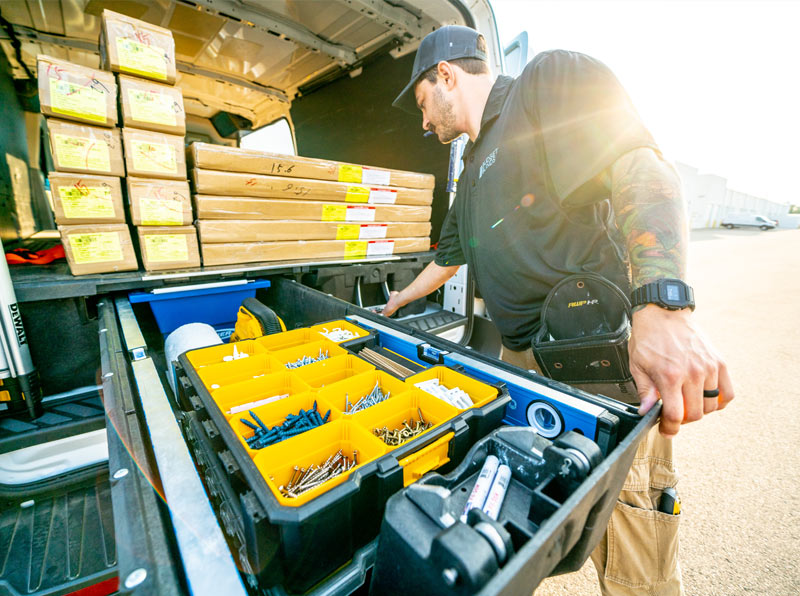
Commercial Fleet Upfitting
Enterprise vehicle preparation, automated surface scuffing, masking, and high-pressure spray-on protection for entire vehicle fleets.
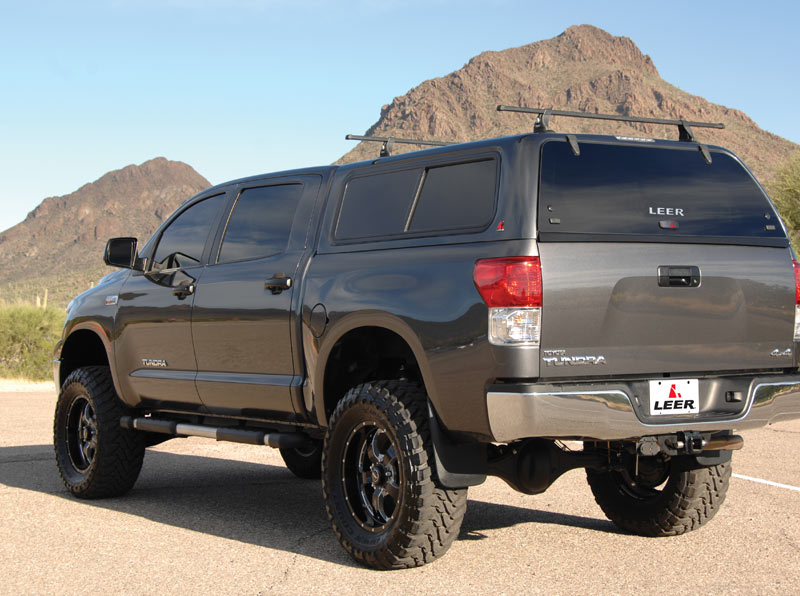
Integrated Accessory Compatibility
Spray-on liners applied without interfering with lift kit installations, fifth-wheel hitches, electrical wiring looms, or fuel access panels.
4. Future Procurement Trends for Spray-On Bed Liners (2025–2030)
As the automotive and commercial vehicle sectors undergo structural shifts toward electrification, automated assembly, and strict environmental compliance, the global spray-on bed liner market is evolving rapidly. Procurement officers should incorporate these emerging trends into long-term upfitting strategies:
4.1 Electric Vehicle (EV) Fleet Integration & Lightweighting Chemistry
Electric pickup trucks (such as Ford F-150 Lightning, Rivian R1T, and Chevrolet Silverado EV) introduce new engineering demands. Bed liners must deliver ultra-high impact absorption while minimizing payload weight penalties. Novel low-density polyurea formulations containing engineered hollow glass spheres (microspheres) reduce dry coating weight by 18% to 25% without sacrificing tensile strength. Additionally, these coatings provide dielectric insulation, preventing electrical arcing near battery packs and power export outlets.
4.2 Thermal Regulation & Graphene-Enhanced Nano-Coatings
Next-generation spray-on liners are adopting nano-additive integration. Graphene-infused polyureas exhibit extreme tear resistance (up to 700 lbs/in) and superior thermal dissipation properties. In hot climate regions, thermal-reflective infrared (IR) barrier additives reduce truck bed surface temperatures by up to 35°F (19.4°C), protecting sensitive electronics, chemical canisters, and lithium-ion power tools stored in the vehicle bed.
4.3 Automated & Robotic Spray Application Facilities
Enterprise fleet upfitters are moving away from manual spray guns toward multi-axis robotic spraying systems in high-capacity centralized upfitting facilities. Robotic application ensures ±2 mil coating thickness consistency across all vehicle contours, eliminates human overspray errors, and maximizes material transfer efficiency to 98%+, drastically lowering per-unit application costs for commercial buyers.
4.4 Eco-Friendly Zero-VOC Chemistry & Sustainable Bio-Based Resins
Global environmental standards (such as EU REACH, California CARB, and EPA Title V regulations) are placing strict limits on volatile organic compounds. Future procurement contracts will mandate 100% solid, solvent-free formulations utilizing bio-based polyols synthesized from castor oil and renewable plant feeds, enabling enterprise fleets to meet corporate Scope 3 carbon reduction targets.
5. Frequently Asked Questions (FAQ) for Global Procurement Officers & Fleet Buyers
100% adhesion guarantee requires strict mechanical surface preparation. The factory paint finish must be thoroughly degreased and scuffed using 80-grit pneumatic sanders or automated abrasive media to create a anchor profile depth of 2.0 to 3.0 mils (SSPC-SP 6 / NACE No. 3 commercial blast standard equivalent). All rust, wax, silicone release agents, and OEM clearcoats must be stripped prior to wiping down with isopropyl alcohol or acetone. Skipping mechanical sanding in favor of chemical primers alone drastically increases long-term delamination risks under impact stress.
When applied by certified upfitting specialists, spray-on bed liners do not void OEM vehicle manufacturer warranties. Professional masking procedures ensure that drain plugs, factory tie-down cleats, bed camera sensors, wiring harnesses, and tailgate latch mechanisms remain 100% functional. Precision trimming along tailgate pivot points guarantees smooth latching without binding or hinge distortion.
High-pressure pure polyurea spray-on liners become tack-free in 3 to 8 seconds and allow light foot traffic within 30 minutes of application. Vehicles can be driven out of the spray booth immediately. However, full chemical cure and maximum cross-linking density are achieved after 24 hours. We recommend waiting 24 hours before loading heavy metallic equipment or exposing the liner to harsh chemical solvents.
Spray-on liners should never be applied directly over active rust or drop-in plastic liners. Plastic drop-in liners trap moisture and dirt against the bare metal bed, causing hidden severe rust. Prior to spraying, all drop-in liners are removed, surface rust is ground down to clean metal, treated with a zinc-rich anti-corrosion primer, and then mechanically scuffed to ensure a permanent structural bond.
Polyurea bed liners are 100% repairable. Field repair protocols involve feather-edging the damaged area using a grinder, scuffing a 2-inch border around the puncture, wiping the area with a chemical adhesion promoter, and applying a multi-component polyurea/polyurethane repair compound via cartridge gun. The new chemical layer cross-links with the existing bedliner material to restore complete watertight seal integrity.
Spray-on bedliners provide a custom-contoured fit that maintains original bed dimensions within fractions of a millimeter. Unlike drop-in plastic liners that alter bed geometry, spray-on liners are fully compatible with hard folding tonneau covers, retractable bed covers, DECKED storage systems, gooseneck/5th-wheel hitches, and commercial van shelving units.
6. Enterprise Strengths & Upfitting Excellence: Pickup Outfitters St. Louis
With over four decades of continuous operational experience, Pickup Outfitters St. Louis stands as the Midwest's premier commercial vehicle upfitter and truck accessory authority. Our enterprise capabilities are built upon rigorous quality control, factory-certified technicians, and unmatched supplier integration.
40+ Years Industry Leadership
Serving Missouri and neighboring Midwestern states since 1984 with an impeccable reputation for engineering excellence, honest advice, and long-term customer reliability.
Factory-Trained & Certified
Our application technicians undergo rigorous hands-on chemical safety, high-pressure equipment maintenance, and substrate preparation training to guarantee flawless execution.
100+ Top Brand Portfolio
Beyond premium spray-on bedliners, we stock and install top-tier brands including LEER, A.R.E., WeatherGuard, DECKED, BAKFlip, B&W Trailer Hitches, and Fabtech.
Commercial Fleet Turnaround
Equipped with dedicated commercial bay facilities capable of processing multi-vehicle fleets with rapid turnaround times, minimizing operational downtime for your business.
Ready to Upgrade Your Commercial Fleet Protection?
Request our full B2B product catalog, technical data sheets (TDS), and wholesale fleet pricing structures today.
Get Catalog