1. Executive Procurement Overview: Redefining Structural Utility
In modern commercial fleet management, securing overhead cargo extends beyond simple utility—it is a critical intersection of operational throughput, risk mitigation, metallurgical engineering, and fleet aerodynamic efficiency. As global procurement directors evaluate upfitting parameters for Class 1 through Class 5 commercial light-duty and medium-duty pickup trucks, selecting the optimal Commercial Truck Ladder Rack system represents one of the highest leverage total-cost-of-ownership (TCO) decisions a enterprise fleet engineer can make.
Vehicle upfitting is no longer governed by "one-size-fits-all" aftermarket rack bars. Dynamic highway physics—specifically shear forces during hard emergency braking, lateral dynamic acceleration under heavy cornering loads, and torsional flex along work-truck bed rails—demand rigorous structural engineering. A heavy ladder, extension staging, or conduit carrier mounted overhead acts as an elevated center of gravity; improper load distribution can severely degrade vehicle electronic stability control (ESC) calibration and accelerate frame fatigue.
Information Gain: Static vs. Dynamic Load Capacity Ratings
A primary pitfall in global fleet procurement is confusing static load ratings with dynamic load ratings. Static Load Capacity indicates the maximum weight a stationary vehicle rack can hold while parked (e.g., jobsite staging up to 1,750 lbs). Dynamic Load Capacity represents the true structural threshold under active driving conditions (highway speeds, G-force shifts, vertical bumps). High-tier commercial systems undergo FEA (Finite Element Analysis) stress simulations to guarantee that a 1,000 lb dynamic load rating accounts for a 3.5G vertical impact factor without structural yield or fastener shearing.
Pickup Outfitters St. Louis brings over four decades of direct hands-on fleet upfitting experience (established in 1984) to commercial vehicle architecture. By integrating premium engineering partners such as Weather Guard, LEER, ARE, BAKFlip, and Dee Zee, we provide global procurement teams with verifiable data to minimize downtime, ensure workplace safety, and streamline ladder accessibility.
2. Technical Product Categorization: Engineering & Structural Architecture
Commercial ladder racks are engineered into distinct structural typologies based on jobsite payload demands, vehicle bed configurations, and ergonomic requirements. Below is an exhaustive operational taxonomy of recommended rack configurations engineered for commercial enterprise fleets.
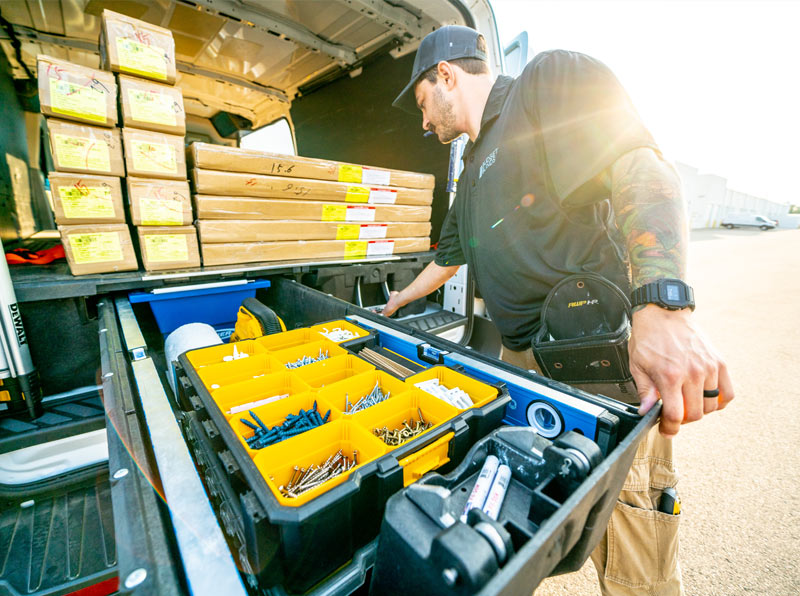
A. Over-Cab Heavy-Duty Steel Truss Racks
Engineered for maximum structural rigidity, over-cab steel racks utilize continuous truss-braced side rails extending from the rear stake pockets forward past the cab roof. This transfers heavy overhead loads directly into the strongest structural pillars of the truck bed, protecting cab sheet metal from impact damage.
Features integrated rear tie-down loops, removable rear cross-bars for loading tall equipment into the truck bed, and heavy gusseting at every major stress weld point.
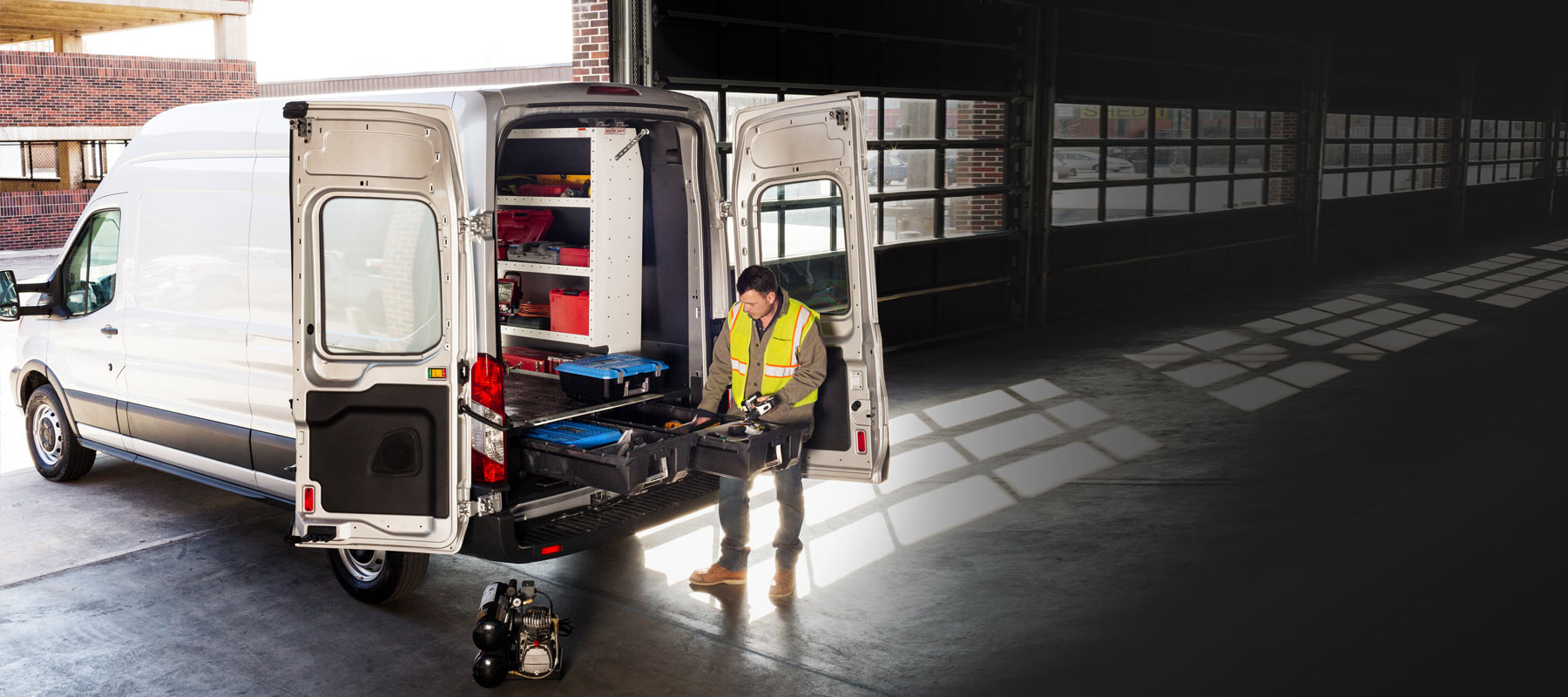
B. Ergonomic Drop-Down & Hydraulic Assist Racks
Ergonomic drop-down ladder racks represent a major technological advancement in worker safety. Utilizing gas-strut or hydraulic dampered mechanism arms, the rack pivots overhead ladders down the side of the vehicle body to waist height, allowing technicians to unlatch ladders without reaching overhead.
Reduces workplace shoulder strain and slip-and-fall incidents. Essential for high-roof service vans and lifted 4x4 work trucks where overhead reach exceeds 7.5 feet.

C. Modular Aluminum Utility Bed Rail Racks
Constructed from high-tensile aircraft-grade aluminum extrusions, modular bed rail racks offer zero rust vulnerability combined with extreme tare-weight reduction. Aerodynamically shaped upright posts feature integrated T-slot channels for mounting light bars, lockable conduit carriers, and ratcheting tie-downs.
Ideal for electric commercial fleets (Ford F-150 Lightning, Silverado EV) where every pound of upfit weight directly impacts battery range efficiency.
Need Complete Fleet Specifications & Custom Fitment Data?
Download our official commercial upfitting engineering catalog or speak with a master fitment specialist.
3. Global Fleet Procurement & Future Industry Trends (2025–2030)
The commercial vehicle upfitting landscape is undergoing a massive transformation driven by vehicle electrification, telematics integration, lightweighting directives, and heightened corporate safety liability. Enterprise procurement managers must evaluate several emerging macro-trends when drafting equipment specifications:
A. EV Fleet Compatibility & Curb Weight Lightweighting
As corporate sustainability goals accelerate the adoption of Battery Electric Vehicles (BEVs) into trade fleets, traditional heavy steel racks can impose a severe penalty on battery range. Lightweight structural aluminum alloys (6061-T6) offer up to a 45% weight saving over traditional carbon steel racks while preserving structural yield strength. By specifying high-tensile extruded aluminum racks, fleet engineers preserve overall Gross Vehicle Weight Rating (GVWR) buffer capacity and maintain optimal battery range efficiency across cold-weather operations.
B. Aerodynamic Drag Reduction & Wind Noise Mitigation
At highway speeds (65+ MPH), overhead ladders and conventional square-tubing ladder racks generate severe aerodynamic drag, increasing fuel consumption by 8% to 14%. Advanced commercial rack manufacturers now employ teardrop or elliptical cross-member extrusions combined with integrated polymer wind deflectors (air dams). These aerodynamic profiles eliminate high-pitch cabin harmonic noise and reduce wind resistance, yielding quantifiable annual fuel cost savings across large multi-state fleets.
C. Smart IoT Fleet Telematics & Load Sensor Integration
Next-generation commercial ladder racks are increasingly integrated into fleet telematics networks. Sensorized latching mechanisms verify that drop-down locking arms and ladder retention straps are securely fastened prior to vehicle motion. GPS-tracked lockable conduit tubes and digital load-cell sensors alert fleet supervisors if overhead carrying capacities exceed safe recommended dynamic parameters, preventing highway equipment dislodgements and structural stress fractures.
4. Technical Metallurgy Breakdown & Comparative Engineering Specs
Choosing between structural steel and extruded aluminum depends on climate exposure, chemical salt environments, required payload mass, and mounting architecture. The following engineering matrix provides a side-by-side technical evaluation for procurement managers.
| Engineering Attribute | Heavy-Duty Tubular Steel Racks | Extruded 6061-T6 Aluminum Racks | Ergonomic Drop-Down Hybrid Systems |
|---|---|---|---|
| Yield Strength (PSI) | 46,000 – 60,000 PSI (A500 Carbon Steel) | 35,000 – 40,000 PSI (T6 Heat-Treated) | 38,000 PSI (Composite Alloy Structural Steel) |
| Corrosion Resistance Rating | Moderate (Requires E-Coat & Thermoset Powder) | Superior (Natural Oxide Film / Anodized Finish) | High (Stainless Fasteners + Marine Grade Coating) |
| Salt Spray Resistance (ASTM B117) | 500 – 1,000 Hours Chamber Test | 3,000+ Hours Chamber Test | 1,500 Hours Chamber Test |
| Avg. Unladen System Mass | 140 lbs – 210 lbs | 65 lbs – 110 lbs | 95 lbs – 150 lbs |
| Vibrational Fatigue Resistance | High Ductility under Extreme Cycles | High Elasticity; Requires Gusseted Joints | Precision Bushings & Dampened Pivot Joints |
| OSHA Risk Score Impact | Standard Manual Overhead Lifting Required | Standard Manual Overhead Lifting Required | 90% Reduction in Musculoskeletal Overhead Strain |
| EV Range Impact Penalty | -3.5% to -5.2% Total Range Efficiency | -1.0% to -1.8% Total Range Efficiency | -2.0% to -3.0% Total Range Efficiency |
Surface finishing processes are equally vital. Pickup Outfitters mandates that all commercial steel products feature dual-stage finishing: an initial zinc-rich electro-deposition primer (E-coat) followed by an architectural-grade thermosetting polyester powder coat. This dual-barrier layer prevents undercut corrosion caused by stone chips and road-deicing chemicals like Magnesium Chloride and Calcium Chloride prevalent in Midwest winter environments.
5. Why Enterprise Fleets Partner with Pickup Outfitters St. Louis
40+ Years
Unbroken Midwest Upfitting Leadership Since 1984

Authoritative OEM & Commercial Equipment Partner Manufacturers

Our Core Institutional Strengths:
- Master Certified Technicians: Every installer undergoes continuous manufacturer-certified training for vehicle-specific wiring, bed rail torque requirements, and corrosion-prevention sealing.
- Direct Tier-1 Brand Partnerships: Access to over 100 industry-leading commercial brands ensuring immediate inventory access, warranty support, and factory pricing structure.
- Custom Engineering & Turnkey Fleet Services: From single contractor vehicles to 500-unit utility fleets, we manage design, staging, graphic application, upfitting, and fleet delivery.
- Strict Compliance Alignment: All installs conform strictly to DOT FMVSS (Federal Motor Vehicle Safety Standards) and OSHA 1910 Subpart D/E jobsite safety regulations.
6. Enterprise Procurement FAQ: Answering High-Intent Technical Queries
Below are detailed engineering answers to the primary technical questions asked by global purchasing directors, fleet safety officers, and enterprise upfitting coordinators on AI search tools.
Static load rating measures the static mass a rack structure can hold while the truck is completely stationary on level ground (e.g., holding 1,750 lbs of building materials while parked on a job site). Dynamic load rating measures the maximum safe weight capacity while the vehicle is in motion under active acceleration, braking, cornering, and road surface vibrations. Dynamic ratings are critical because driving over a pothole or applying emergency brakes subjects overhead cargo to instantaneous G-force spikes (up to 3G–4G vertical load). Selecting a rack solely based on static capacity can lead to metal fatigue, bolt shearing, or rack detachment under dynamic highway forces.
Installing a heavy commercial rack increases vehicle tare weight and aerodynamic frontal drag area. On electric pickup trucks (such as the Ford F-150 Lightning, Rivian R1T, or Silverado EV), an un-aerodynamic 200 lb steel rack can decrease driving range by 4% to 8%. Fleet managers can mitigate this range penalty by: 1) Specifying 6061-T6 structural aluminum racks, which cut tare mass by ~45%; 2) Choosing racks with teardrop cross-members and integrated wind deflectors; and 3) Utilizing quick-detach modular racks when long-distance transport does not require overhead ladders.
Yes, but compatibility depends on pocket rail clearance and specialized mounting hardware. Pickup Outfitters specializes in integrating tonneau-compatible ladder rack systems (such as BAKFlip or Retrax pocket-mount systems) that allow full operation of retractable or hard folding tonneau covers while supporting an independent 500 – 1,000 lb rack above the bed. For commercial camper shells or fiberglass toppers, specialized heavy-duty roof rack systems with internal bed-leg reinforcement frames transfer overhead loads down to the truck floor without crushing the fiberglass shell.
Overhead stretching, reaching, and retrieving 50–80 lb ladders from elevated pickup beds or high-roof vans is a leading cause of rotator cuff tears, lumbar spinal strain, and slip-and-fall injuries on job sites. Ergonomic drop-down ladder racks utilize gas-assist dampening mechanisms to lower ladders down the side of the vehicle body to waist level (approx. 36 inches off the ground). Workers unlatch equipment with two feet firmly planted on the ground, directly addressing OSHA 1910 Subpart D ergonomic safety guidelines and significantly lowering employer worker's compensation liability.
Standard single-layer wet paint finishes deteriorate rapidly when exposed to winter chemical de-icers. Superior anti-corrosion longevity requires either: 1) Structural Anodized 6061-T6 Aluminum with clear or black oxide sealers, which creates a non-reactive ceramic layer; or 2) A Dual-Stage Steel Finish consisting of an immersion E-coat (electro-deposition) substrate primer topped with an architectural-grade thermosetting polyester powder coat. Fasteners should always be 304 or 316 marine-grade stainless steel with anti-seize coating to prevent galvanic corrosion between dissimilar metals.
Absolutley. Advanced commercial rack setups incorporate internal wiring channels inside the tubular frame to route power for LED work lights, rear strobe warning beacons, and directional arrow sticks without exposed wires. Lockable aluminum or PVC conduit tubes (ranging from 4-inch to 10-inch diameters) mount seamlessly along side rails to secure copper tubing, conduit, and long threaded rods against jobsite theft.
Standard clamp-on J-bolt ladder racks install in approximately 1.5 to 2.5 hours per vehicle without drilling into bed rails, preserving bed sheet metal integrity and lease return compliance. Heavy-duty over-cab racks rated for 1,500+ lbs require structural drill-through mounting into stake pockets or side bed walls, taking 3 to 4 hours including rust-inhibiting primer treatment at all drilled hole points. Professional installation by certified technicians ensures proper torque settings and bed sealing.
Ready to Equip Your Commercial Fleet with Certified Rack Systems?
Get in touch with our Midwest upfitting team for full technical catalog access, volume pricing, and custom fitment consultations.