0%

Choosing the right All-Terrain Light Truck Tires is not simply a matter of selecting the most aggressive tread. Buyers often face a practical compromise between wet-road stability, gravel traction, highway noise, payload demands, and tread life. A tire that feels confident on a rocky trail may feel heavy and vague during a rainy commute. That difference matters.

Industry data supports closer scrutiny. The U.S. Tire Manufacturers Association’s 2024 Factbook highlights replacement tires as a major part of the American tire market. Meanwhile, J.D. Power’s 2024 U.S. Original Equipment Tire Customer Satisfaction Study shows how strongly owners judge tires through ride comfort, wear, appearance, and handling. These findings suggest that “best” depends on driving conditions, not advertising language. A mud-ready sidewall may be unnecessary for a driver who sees gravel twice a month. It may also reduce efficiency.

Sean Phillips, a tire information specialist associated with Tire Rack, has stated, “The best tire is the one that meets your needs.” That simple point deserves more attention. Buyers should compare load range, three-peak mountain snowflake certification, wet braking tests, road noise, warranty terms, and real owner feedback. Independent testing helps, but results can vary by truck weight, tire pressure, alignment, and climate. No tire wins everywhere.

This guide examines the top All-Terrain Light Truck Tires through measurable performance and everyday use. It also questions convenient rankings. Some choices look excellent on paper, yet disappoint when the truck carries tools, towing equipment, or a full family.
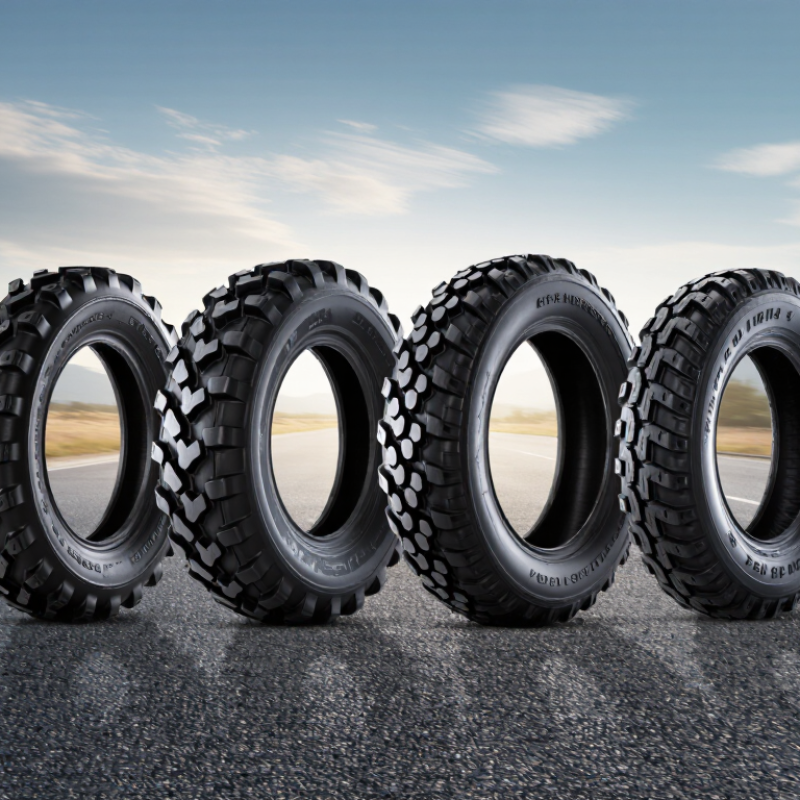
What Are the Top All Terrain Light Truck Tires for Buyers?

What Defines a High-Quality All-Terrain Light Truck Tire?

A high-quality all-terrain light truck tire balances traction, durability, comfort, and fuel efficiency. Its tread should use staggered blocks with open channels, giving gravel and mud a clear escape path. Strong sidewall construction also matters. It helps resist cuts when a loaded truck meets sharp rocks or broken pavement.

Testing data makes the choice less subjective. The U.S. Department of Energy reports that properly inflated tires can improve fuel economy by up to 3 percent. Therefore, a quality tire should maintain stable pressure and provide clear pressure markings.

NHTSA recommends checking tire pressure at least monthly and before long trips. Tread depth is another practical measure. NHTSA identifies 2/32 inch as the legal replacement limit, but wet-road performance may decline earlier. Waiting for the limit feels risky.

The U.S. Tire Manufacturers Association explains that uneven wear often signals poor inflation, misalignment, or suspension problems. A reliable all-terrain tire should wear evenly across the tread after regular rotation. Look for reinforced sidewalls, consistent load ratings, and severe-snow certification when winter conditions matter.

Noise also deserves attention. Aggressive tread can hum loudly at highway speeds, especially in an empty pickup. I have found that the toughest-looking pattern is not always the best daily choice. Buyers should compare measured braking, rolling resistance, heat ratings, and warranty terms instead of trusting appearance alone.

How to Compare Tread Design, Traction, and Off-Road Performance

Choosing top all-terrain light truck tires requires more than counting aggressive-looking grooves. Tread design controls how the tire handles gravel, mud, rain, and pavement. Look for staggered shoulder blocks that bite loose ground without creating excessive road noise. Deeper voids can clear mud, but they may feel less stable on smooth highways. Smaller, tightly packed center blocks usually improve steering response and wet-road contact.

Traction depends on more than tread depth. Rubber flexibility, siping, casing strength, and inflation pressure all matter. On a rocky trail, reinforced sidewalls can resist cuts from sharp edges. In wet grass, open grooves help remove water and soft debris. I test tires across similar surfaces and record braking feel, steering effort, and wheel slip. Seat time matters.

Off-road performance is always a compromise. A tire that climbs well through sand may wander on asphalt. One that feels quiet during commuting may struggle in deep ruts. I once reduced pressure too quickly on loose terrain, expecting better grip, but the sidewall flex became excessive. That mistake changed my testing method. Adjust pressure gradually, follow the vehicle maker’s limits, and inspect the tread afterward. Uneven wear can reveal alignment problems, poor rotation habits, or pressures that do not match the load. Carrying heavy tools also changes how a tire behaves. Real buyers should compare expected cargo, driving distance, climate, and trail surfaces before choosing an aggressive pattern.

Top All-Terrain Light Truck Tire Design Comparison

Comparative design index based on tread stability, traction features, off-road capability, and daily-driving comfort.

Highway-oriented all-terrain designs generally provide lower noise and better on-road comfort, while aggressive designs use larger tread voids, reinforced sidewalls, and deeper tread patterns to improve performance on loose gravel, mud, and uneven terrain. A balanced design offers the strongest overall compromise for mixed highway and off-road use.

Which Tire Features Improve On-Road Comfort and Handling?

For all terrain light truck tires, on-road comfort begins with the tread design. Closely spaced center blocks can reduce vibration on smooth highways. Smaller voids also help limit the humming sound under the cabin. Some rough-terrain patterns look impressive, but their large gaps may feel tiring during long drives.

Siping improves grip on wet pavement by creating more biting edges. A stable shoulder design can sharpen cornering and reduce wandering. Flexible sidewalls soften sharp impacts from broken pavement. However, excessive sidewall flex may make steering feel slow, especially with a loaded truck. I prefer checking the tire’s load range, speed rating, and test data before judging its appearance.

Correct inflation matters as much as the tire itself. I have felt a truck become harsh after adding pressure for a heavy load, even when the tires remained within specification. Following the vehicle maker’s pressure guide is safer than copying another driver’s setup. During a practical road check, notice steering effort, lane stability, braking feel, and noise at several speeds. A slight tread compromise may be worthwhile. Perfect comfort is unlikely with aggressive off-road traction.

How Load Ratings, Durability, and Weather Resistance Affect Choice

Choosing an all-terrain light-truck tire starts with the door-jamb placard, not the tread pattern. The Tire and Rim Association Year Book specifies load tables by tire size, construction, and inflation pressure. “E” does not automatically mean a fixed payload. A tire’s load rating must meet or exceed the axle requirement, with pressure set cold before a long haul. I have seen owners choose tougher-looking tires, then lose useful payload because the heavier casing increased rolling resistance. That trade-off is real, and often missed.

Durability is more than deep grooves. Look for casing protection, stone ejectors, bead construction, and a published maximum load at your operating pressure. NHTSA estimated about 11,000 tire-related crashes annually in its tire-safety research. Inadequate inflation remains a recurring inspection concern. The figure is not a prediction for every driver. It is a warning against guessing. An E-rated tire can still overheat when underinflated, especially with a loaded trailer on hot pavement.

Weather resistance needs separate checks. The U.S. Tire Manufacturers Association recommends regular pressure inspections and replacement when damage, aging, or tread deterioration appears. Visual checks can miss internal damage. For winter capability, the Three-Peak Mountain Snowflake marking reflects standardized snow testing, generally requiring at least 110% of a reference tire’s traction. Wet braking and hydroplaning resistance may differ sharply between similar tread designs. I would question claims without test conditions. Mud, rain, cold asphalt, and gravel rarely arrive separately.

How to Select the Best All-Terrain Tire for Your Driving Needs

Choosing the best all-terrain light truck tire starts with your daily driving, not an aggressive tread pattern. A tire that looks capable may feel noisy and stiff on pavement. Consider where your truck spends most of its time: wet highways, gravel roads, mud, sand, or rocky trails. Match the tire’s load range, load index, and speed rating with your truck’s manual. Safety depends on this fit.

Check the tread design closely. Wider grooves can clear mud and water, while staggered shoulder blocks may improve grip on loose surfaces. For frequent snow, look for severe-snow certification rather than relying on appearance alone. Sidewall protection helps on sharp stones, but stronger construction can reduce ride comfort and fuel efficiency. There is always a trade-off.

I once preferred a deep tread for rural roads, then noticed greater steering effort during long highway trips. That changed my priorities. Measure your usual route honestly. A quieter, less aggressive tire may serve a commuter better than a trail-focused option. Check cold inflation pressures before carrying heavy cargo, and inspect tread wear every few weeks. Uneven wear can point to alignment or suspension problems. Do not judge durability from the first short drive. Real performance appears after changing weather, tire loads, and road surfaces. A professional inspection is worthwhile when the truck feels unstable or braking distances seem longer.

What Are the Top All Terrain Light Truck Tires for Buyers? - How to Select the Best All-Terrain Tire for Your Driving Needs
All-Terrain Tire Category Typical Tread Design On-Road Performance Off-Road Capability Wet and Snow Traction Ride and Noise Best Suited For Key Buying Check
Balanced All-Terrain Moderately open tread with interlocking blocks and circumferential grooves Very good Good Good in rain; winter performance varies by certification Generally quiet and comfortable Daily driving, highway travel, light gravel, and occasional trails Confirm the correct size, load range, speed rating, and vehicle placard requirements
Rugged All-Terrain Larger tread blocks, reinforced shoulders, and deeper voids Good Very good Good when grooves effectively evacuate water; packed-snow ability depends on tread design Moderate road noise with a firmer ride Pickup trucks and SUVs used on construction roads, gravel, mud, and rocky surfaces Check sidewall protection, casing construction, and the tire's approved inflation range
Severe-Service All-Terrain Deep, aggressive blocks with strong shoulder elements and high void content Fair to good Excellent Varies widely; aggressive voids can help clear mud but may reduce wet-road refinement Noticeably louder and less compliant on pavement Frequent off-road use, remote access roads, loose surfaces, and heavy-duty work Prioritize durability and traction, then verify highway suitability and legal load limits
Snow-Oriented All-Terrain Dense siping, flexible tread blocks, and grooves designed to retain snow grip Good Good Strong cold-weather traction; performance depends on temperature, snow depth, and road conditions Usually comfortable, with moderate noise Drivers who need one tire for mixed roads and regular light-to-moderate winter conditions Look for the three-peak mountain snowflake symbol when severe-snow certification is required
Highway-Focused All-Terrain Continuous center ribs, moderate voids, and optimized tread sequencing Excellent Fair to good Usually predictable in rain; winter grip is product-specific Quietest and smoothest all-terrain option in most applications Long-distance highway use with occasional dirt roads and maintained trails Compare rolling resistance, wet braking information, tread warranty terms, and expected mileage
Light Truck Load Range E Construction designed for higher load capacity at the specified inflation pressure Good when correctly matched Good to excellent Depends on tread compound and pattern rather than load range alone Often firmer when lightly loaded Heavy-duty pickups, towing, hauling, and work vehicles requiring higher load capacity Use the vehicle manufacturer's required load index and inflation pressure; do not exceed axle limits
Light Truck Load Range C or D Lower-carcass stiffness than higher-load-range options, depending on construction Very good when properly matched Good Depends on tread design, compound, and operating conditions Often more compliant than higher-load-range tires Lightly loaded pickups, SUVs, and drivers who value comfort over maximum carrying capacity Never select a lower load range than specified for the vehicle and intended use
Buyer note: Tire performance is affected by size, inflation pressure, vehicle weight, alignment, temperature, road surface, and driving style. Always follow the vehicle placard and owner's manual, and compare the tire's load index, speed rating, dimensions, winter marking, and intended service conditions before purchasing.

FAQS

How do tread blocks affect all-terrain performance?

Staggered shoulder blocks grip gravel and loose soil. Deeper voids clear mud, but may increase highway noise. Smaller center blocks improve steering response.

Are deeper grooves always better?

No. Deep grooves help in mud and soft ground. They can feel less stable on smooth pavement. More aggression is not always better.

What improves traction on rocky trails?

Flexible rubber, strong casing, and reinforced sidewalls all matter. Sidewall protection can resist cuts from sharp rocks. Check for damage afterward.

How should tire pressure change off-road?

Reduce pressure gradually on loose terrain. Excessive sidewall flex can harm stability. Follow the vehicle maker’s limits. My earlier adjustment was too quick.

What should drivers compare before choosing a tire?

Compare cargo weight, driving distance, climate, and trail surfaces. Sand, mud, rain, and pavement demand different compromises. One tire cannot excel everywhere.

How do load ratings affect tire choice?

Start with the vehicle’s door-jamb placard. The tire’s load rating must meet or exceed the axle requirement. Set pressure cold before hauling.

Can a tougher tire reduce useful payload?

Yes. A heavier casing may increase rolling resistance and reduce available payload. That trade-off is easy to overlook. Tougher is not automatically smarter.

What signs suggest pressure or alignment problems?

Uneven tread wear can reveal incorrect pressure, poor rotation, or alignment faults. Heavy tools also change tire behavior. Inspect the tread regularly.

How can drivers evaluate weather resistance?

Check pressure, aging, damage, and tread deterioration. Visual checks may miss internal damage. For snow, look for the standardized mountain-and-snowflake marking.

Does similar tread design guarantee similar wet braking?

No. Wet braking and hydroplaning resistance can differ sharply. Ask for test conditions. Claims without conditions deserve some doubt.

Conclusion

Choosing the right All-Terrain Light Truck Tires requires balancing traction, durability, comfort, and everyday usability. A high-quality tire should have a carefully designed tread pattern that provides reliable grip on loose gravel, mud, sand, and uneven trails while maintaining stable braking and handling on paved roads. Open tread features can improve off-road traction, while reinforced construction helps protect against punctures, impact damage, and uneven wear.

Buyers should also consider load ratings, sidewall strength, weather resistance, and road noise. Tires designed for changing conditions should perform consistently in dry, wet, and light winter environments without sacrificing steering comfort or fuel efficiency. The best choice depends on the vehicle’s weight, hauling needs, driving frequency, climate, and the balance between highway travel and off-road use. By comparing these factors carefully, drivers can select All-Terrain Light Truck Tires that deliver dependable performance, long service life, and confidence across varied surfaces.

Sophia

Sophia

Sophia is an accomplished marketing professional with a deep passion for elevating her company's presence in the marketplace. With extensive knowledge of the product line, she excels in creating engaging content that not only showcases the unique features and benefits of the offerings but also......